Let me be honest with you. When someone says “Mallorca,” your brain probably does the same thing mine did. Magaluf, sunburned British tourists, overpriced sangria, and all-inclusive buffets where the shrimp has been sitting under heat lamps since the Franco era. I get it. I almost didn’t go. But this island is full of Mallorca hidden gems that most visitors never discover.
But then April 2026 happened, and a cheap flight from Tallinn practically fell into my lap. A long weekend, a tiny Toyota Aygo, zero expectations. And Mallorca, the real Mallorca, not the one in the brochures, absolutely floored me.
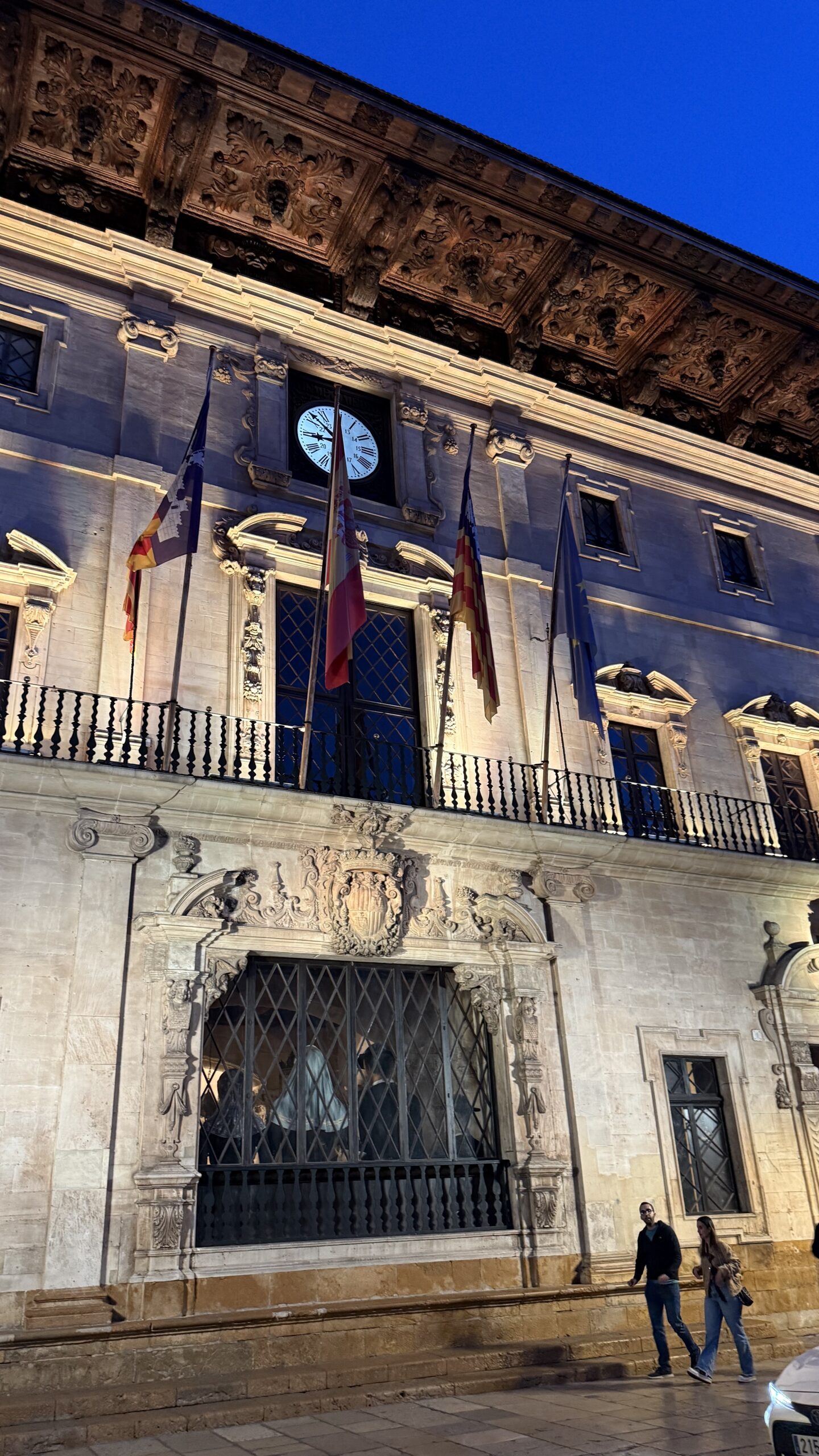
Why April Changes Everything
Here’s the thing about Mallorca in April: it’s a completely different island. The charter crowds haven’t arrived yet, the temperatures hover around a perfect 20-22°C, and the wildflowers are doing their absolute best to impress you. Parking? Laughably easy. That spot near the famous beach that apparently becomes a blood sport in July? In April, you just pull up and park. No stress, no circling, no rage.
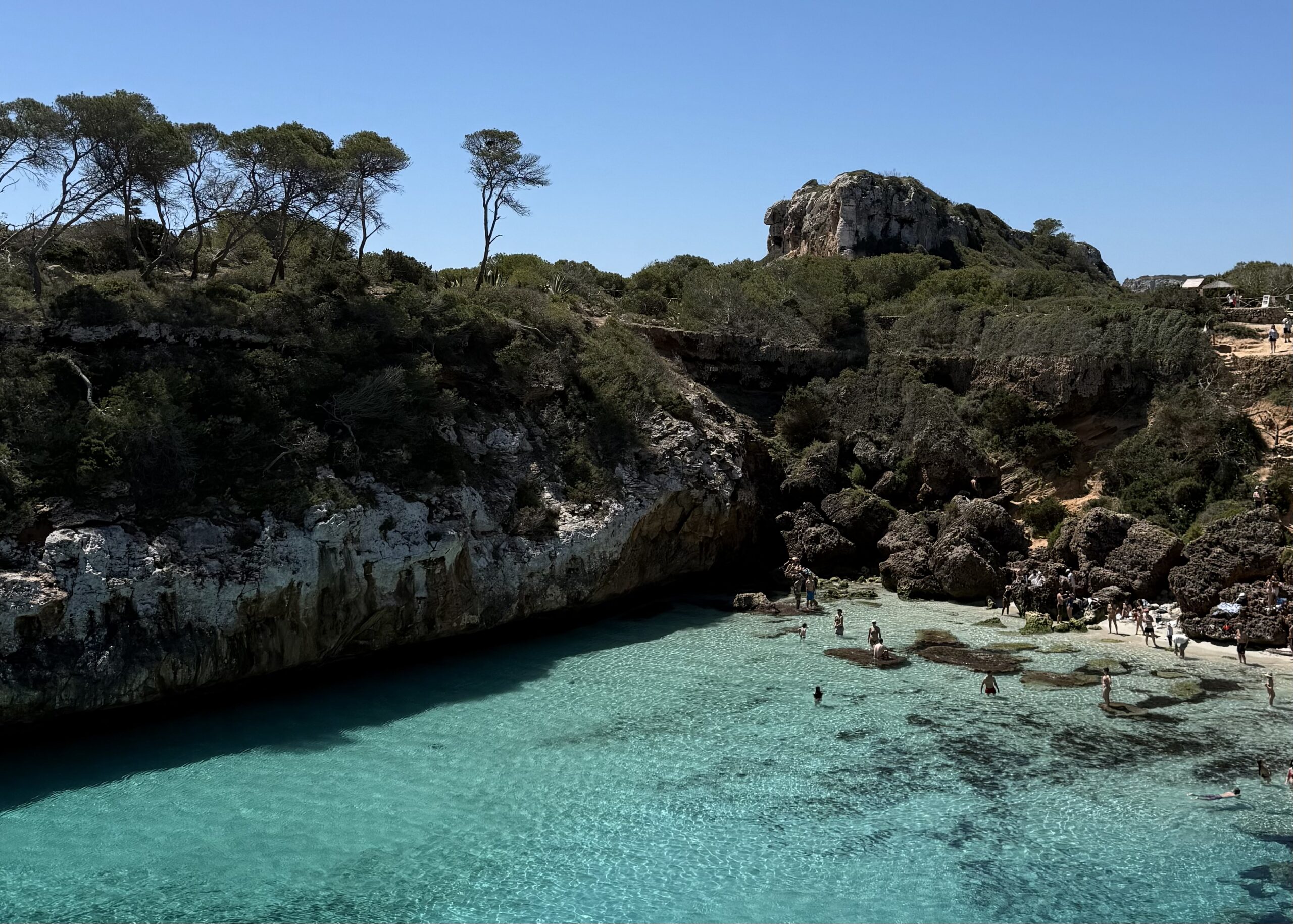
The water is cold, I won’t lie. This isn’t July-warm-bath swimming. But there’s something magical about wading into crystal clear, transparent water when nobody else is around. Just you and the sea and a kind of quiet that makes you forget you even own a phone. It’s cold, it’s refreshing, and it’s perfect.
And everywhere, I mean everywhere, the most adorable cats you’ve ever seen. Lounging on stone walls, sleeping under cafe chairs, following you down alleyways like they’re your personal tour guides. Mallorca might secretly be a cat island.
Mallorca Hidden Gems: Beaches Nobody Puts on Instagram (Yet)
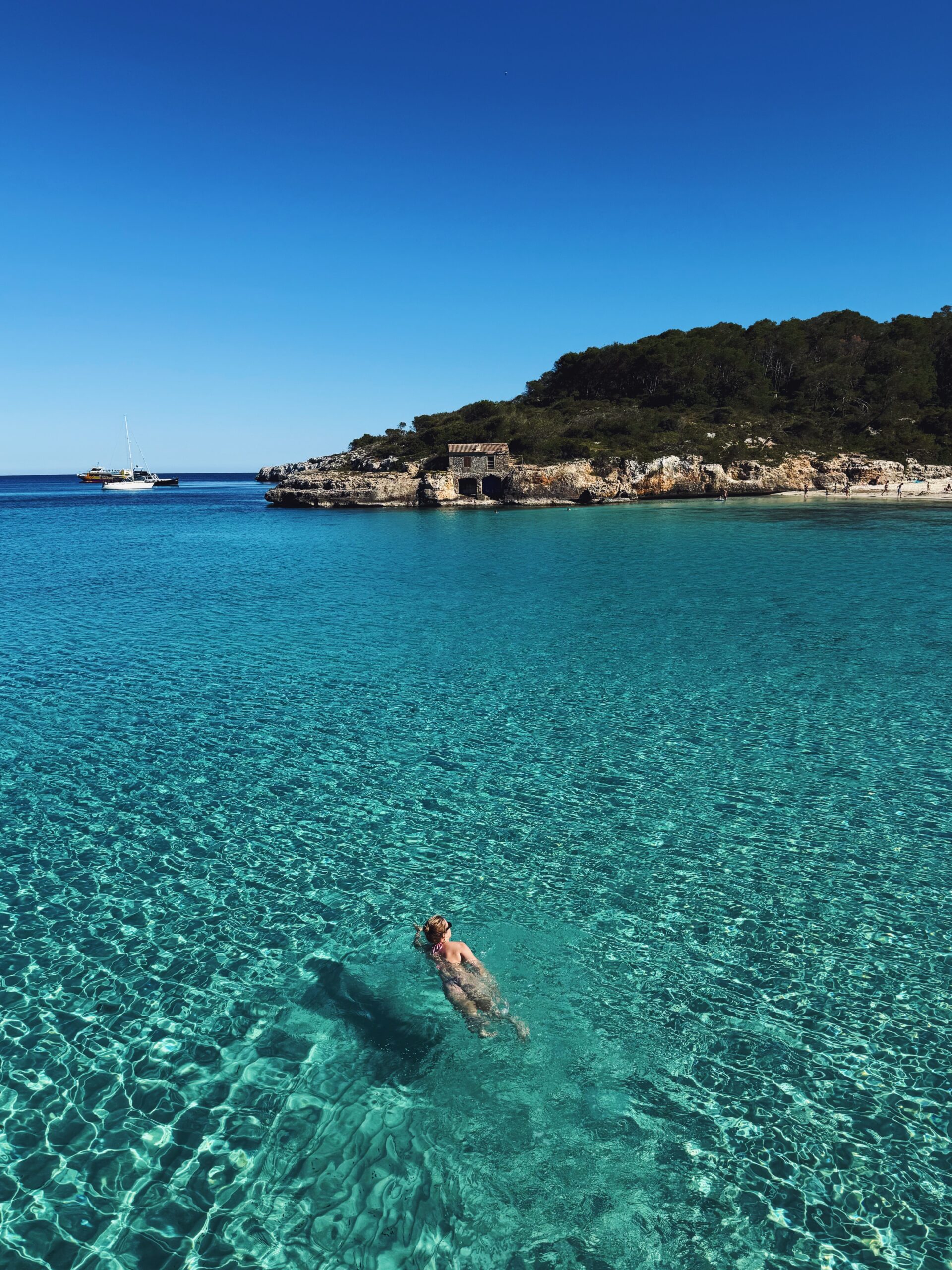
Caló del Moro
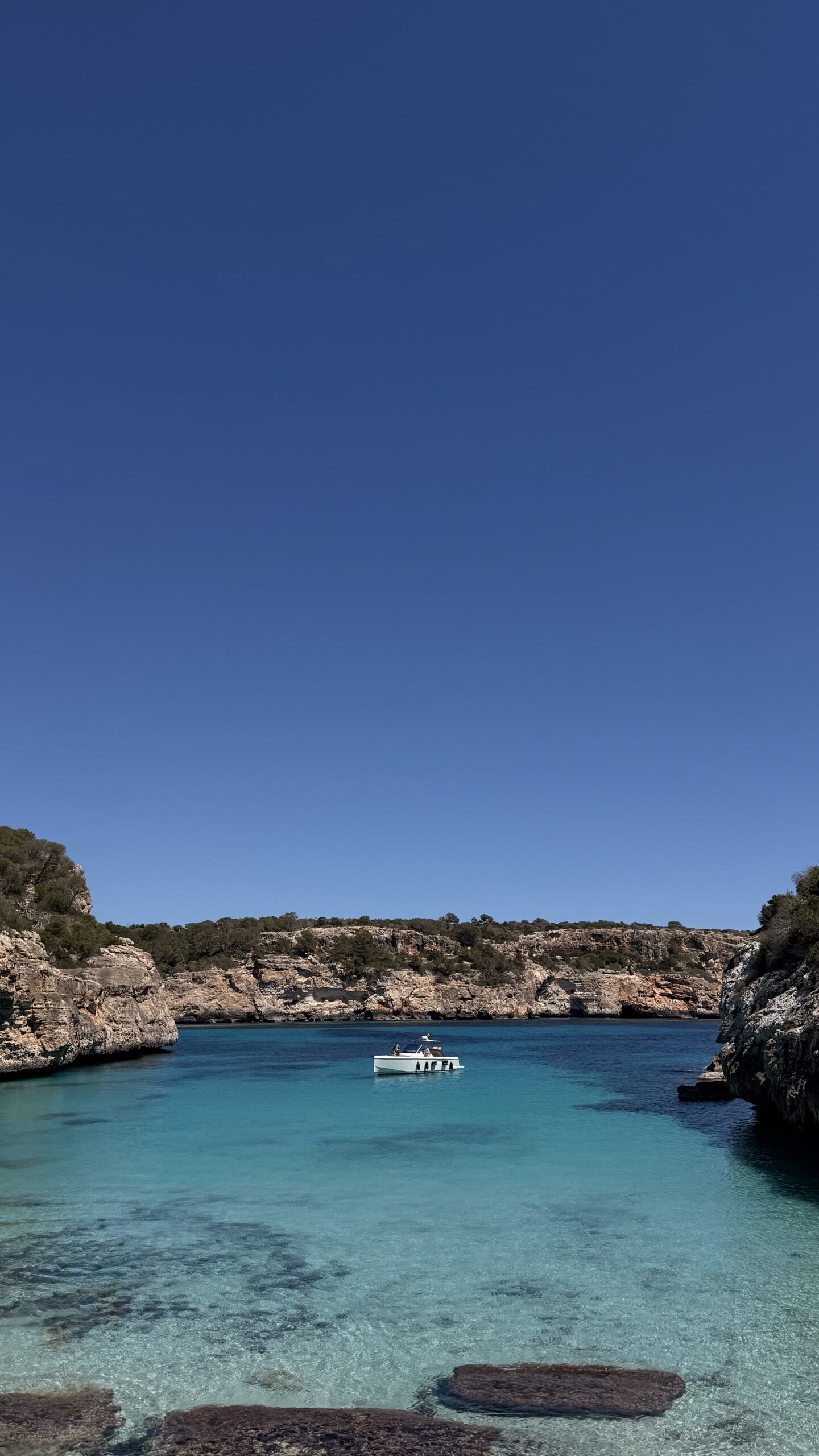
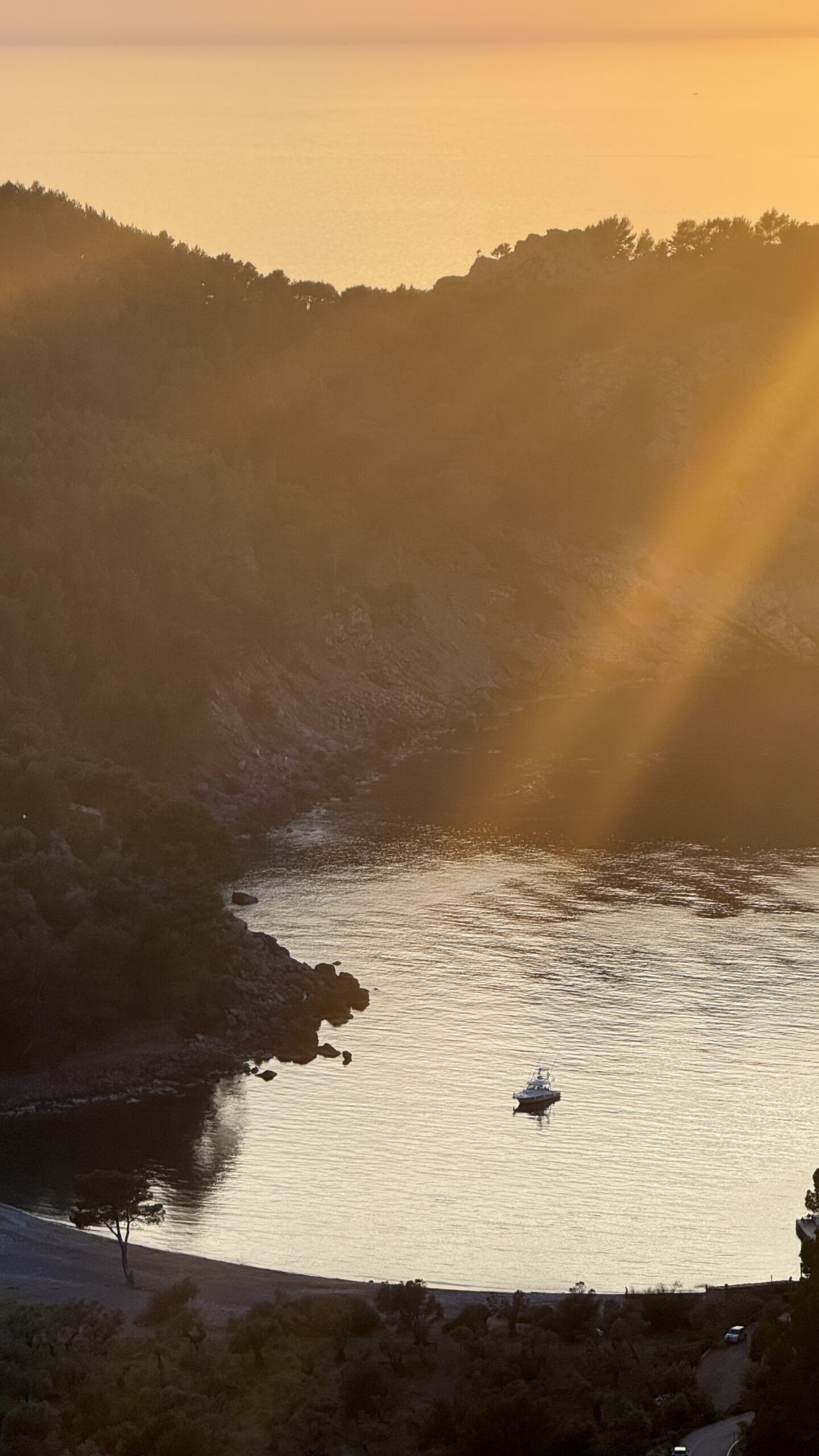
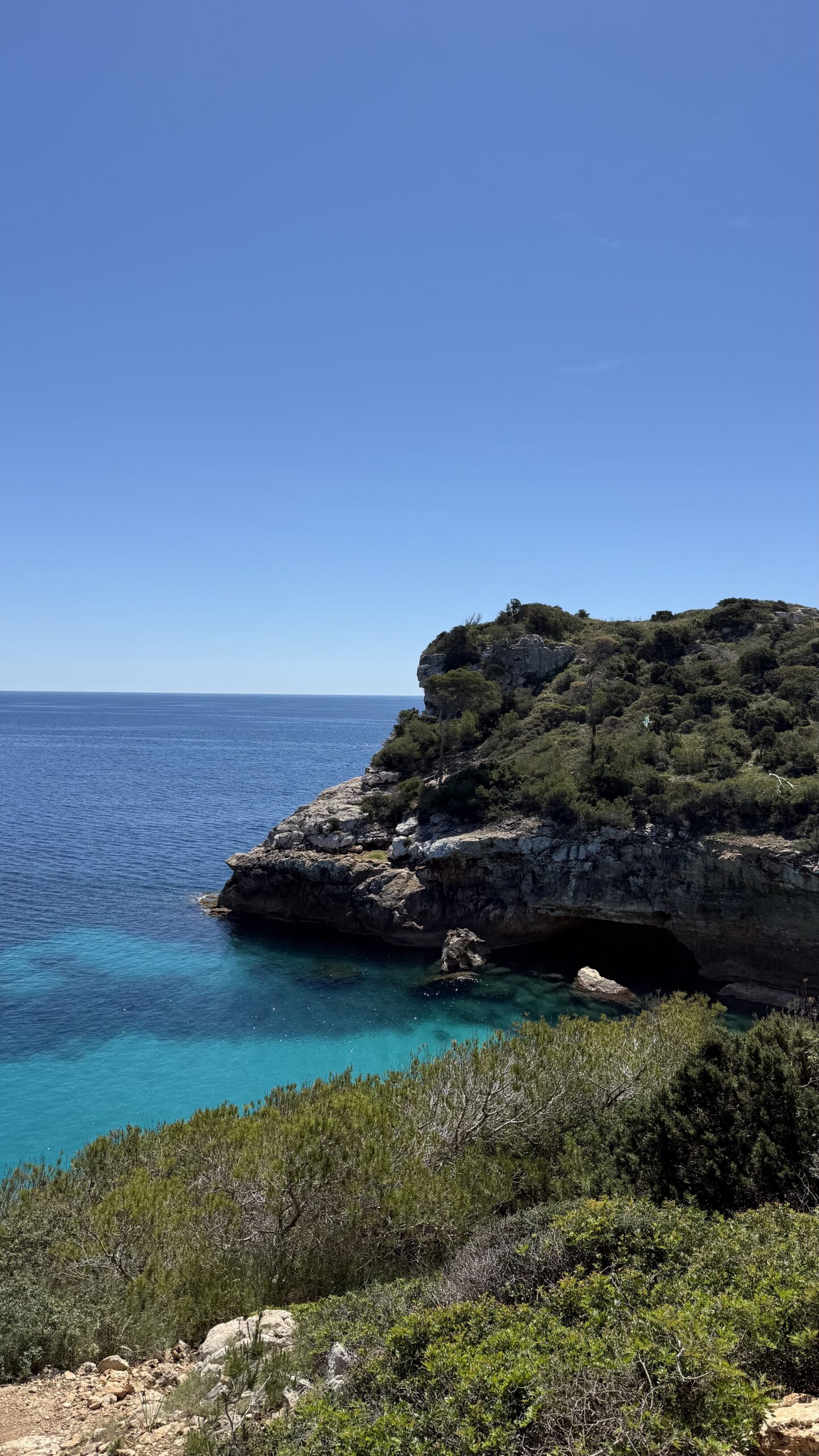
If you’ve seen one photo of Mallorca that made you stop scrolling, it was probably this beach. A tiny cove framed by cliffs, water so turquoise it looks photoshopped. In April, we had it practically to ourselves. The water was cold enough to make me gasp, but clear enough to see the bottom from five meters away. I stood there for a good ten minutes just staring, which is not something I normally do at beaches.
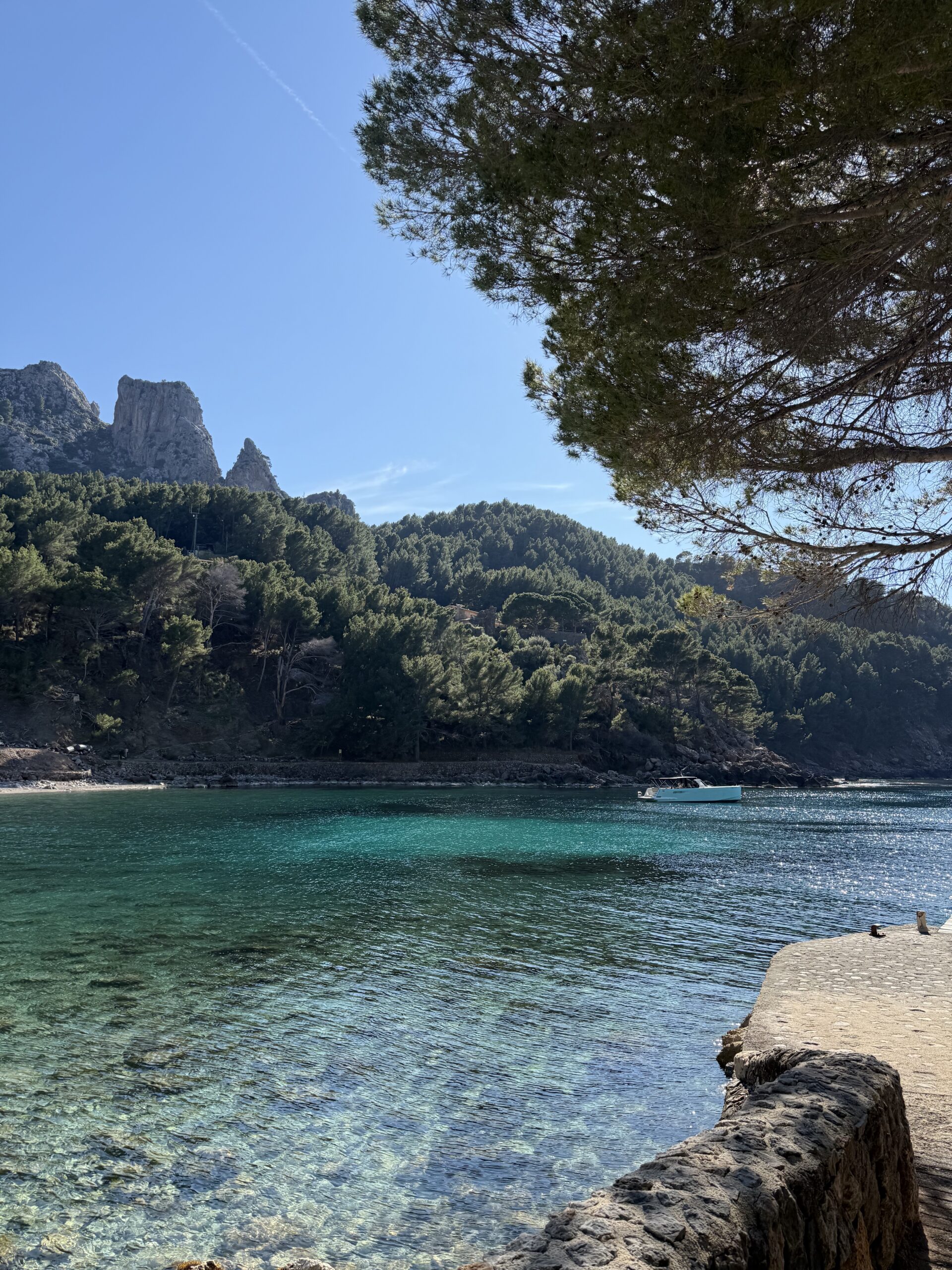
Cala Llombards
Slightly more accessible than Caló del Moro but equally stunning. Pine trees reach down toward water that shifts between green and blue depending on the time of day. The kind of romantic, transparent-water beach that you see on postcards from the Maldives, except this is a two-hour flight from northern Europe and you can drive there in your rental car. One of those Mallorca hidden gems that feels impossibly exotic for how easy it is to reach.
Santanyí and Its Market
Not a beach, but the gateway to this whole corner of Mallorca. The Wednesday and Saturday markets are worth planning your trip around. Local honey, handmade ceramics, dried sobrassada, almonds. The kind of stuff you buy too much of and then can’t fit in your suitcase. The old town itself is all honey-colored stone and narrow streets that open up into tiny squares where old men argue about football over cortados.
Sa Calobra: The Road That Tests Your Nerves
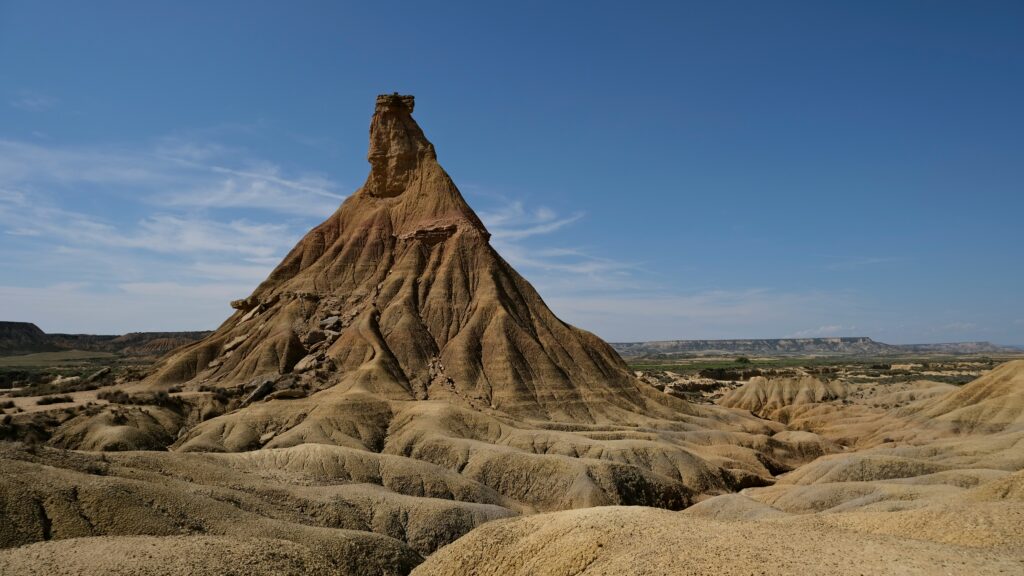
Twelve kilometers of hairpin turns dropping 800 meters to the sea. Our little Toyota Aygo handled it like a champ, though I’ll admit my knuckles were white for the first few switchbacks. The road itself is half the experience, especially in April when it’s full of road cyclists in full team kit, training for whatever race cyclists are always training for. You share the mountain roads with them, go a bit slower, and honestly it’s part of the charm. The beach at the bottom, where the Torrent de Pareis meets the sea, feels like you’ve driven to the edge of the world. If you love dramatic landscapes, this ranks right up there with the Bardenas Reales desert as one of Spain’s most jaw-dropping places.
Es Pontàs: Nature Showing Off
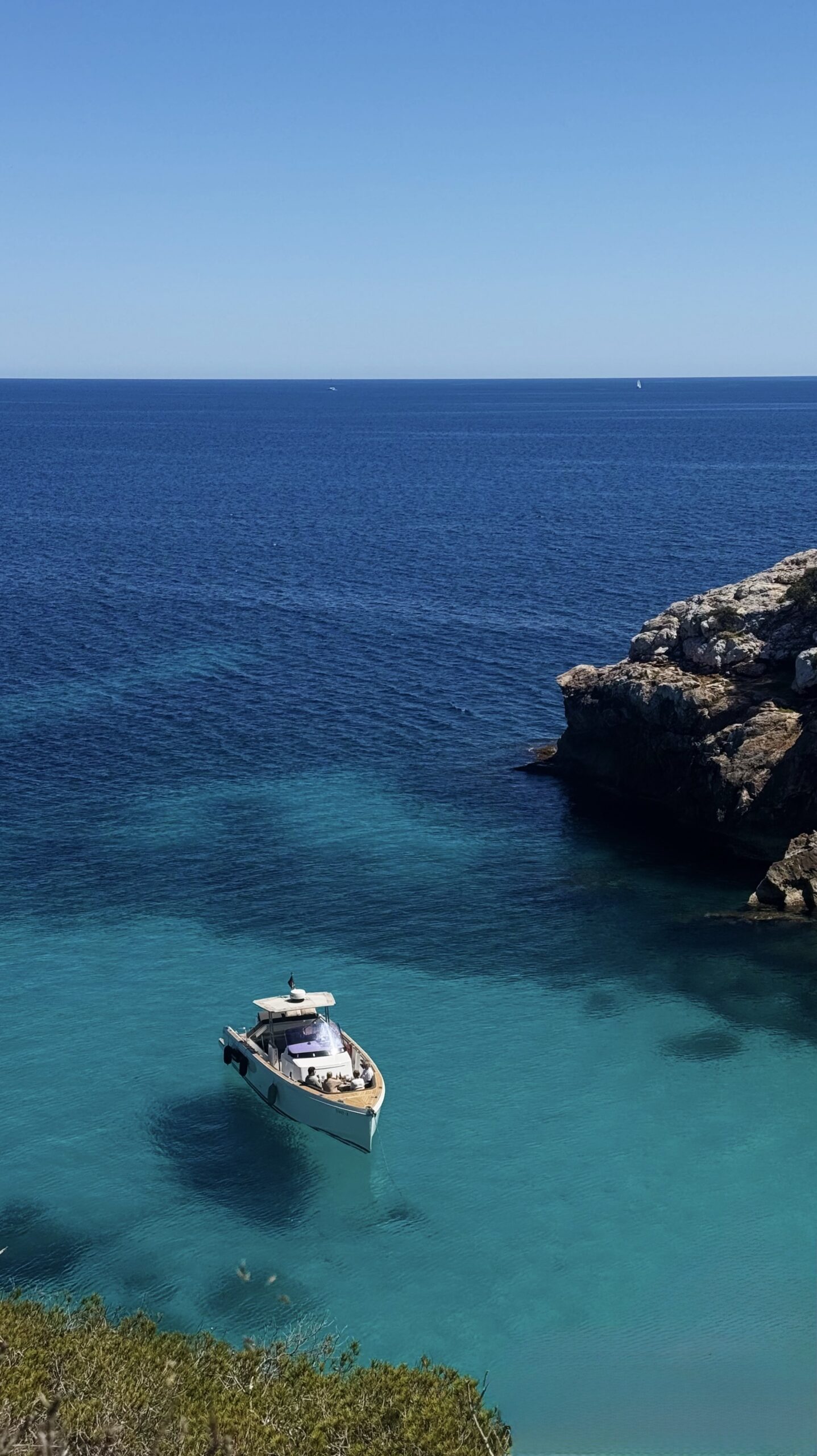
A massive natural rock arch jutting out of the sea near Cala Santanyí. You can see it from the cliff path above, and there’s something about it that just stops you in your tracks. Climbers come from all over the world to attempt the overhang. The rest of us just stand there with our jaws slightly open, deeply aware that nature doesn’t need our permission to be incredible.
Villages That Make You Want to Quit Your Job
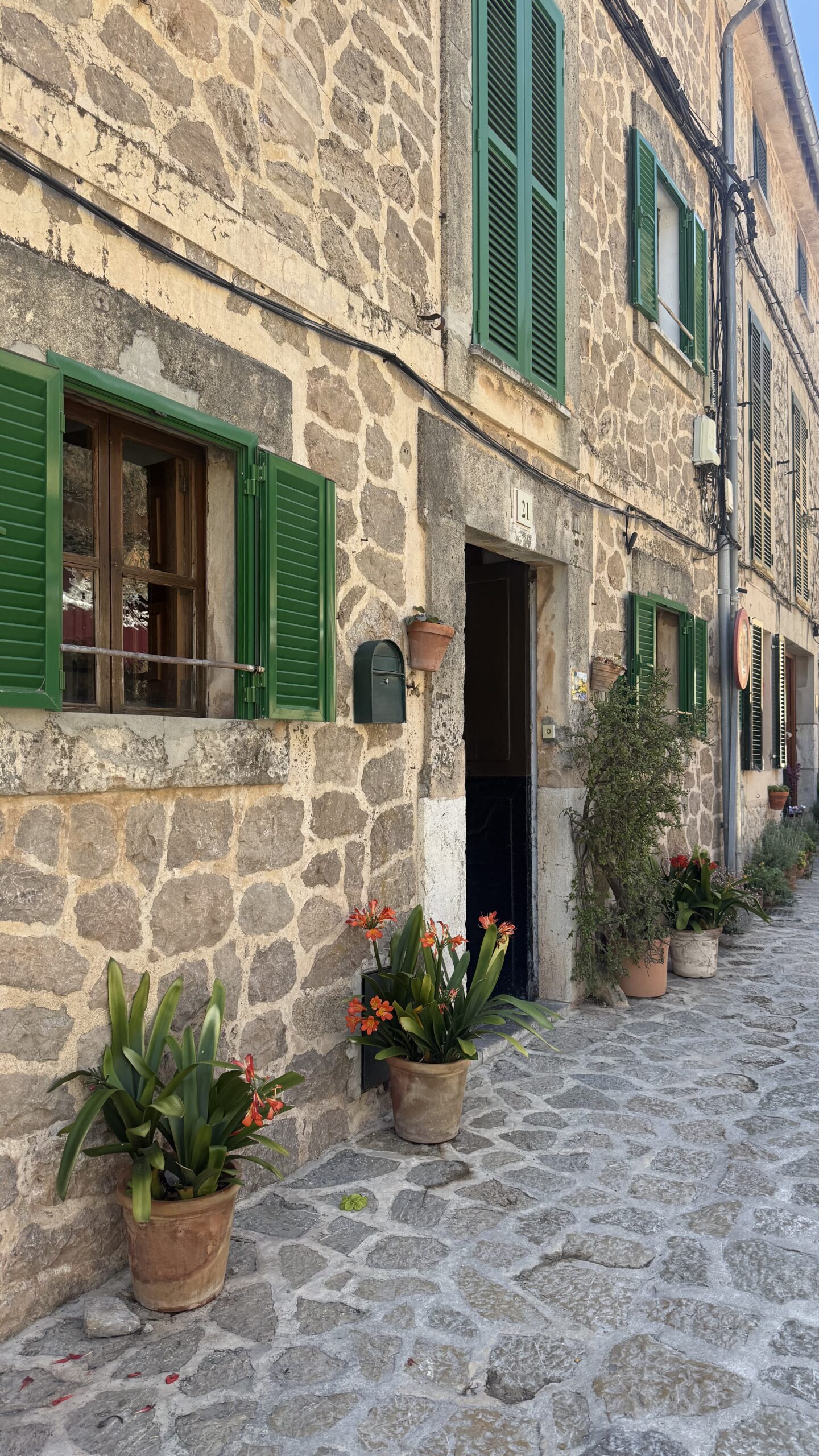
The real soul of Mallorca isn’t on the coast. The best Mallorca hidden gems are in the villages scattered through the Serra de Tramuntana mountains. The kind of places where old couples sit on their doorsteps in the evening, where cats own the sidewalks, and where the pace of life makes you seriously reconsider your entire career trajectory.
Fornalutx
Consistently voted one of Spain’s most beautiful villages, and for once the hype is justified. Stone houses draped in bougainvillea, narrow stepped streets barely wide enough for two people, and views over orange and lemon groves to the mountains. The village life here outside the tourist spots is truly charming. Even the smallest corners are full of locals spending their evenings outside, chatting over the garden wall. We had a coffee in the main square and genuinely considered never leaving.
Valldemossa
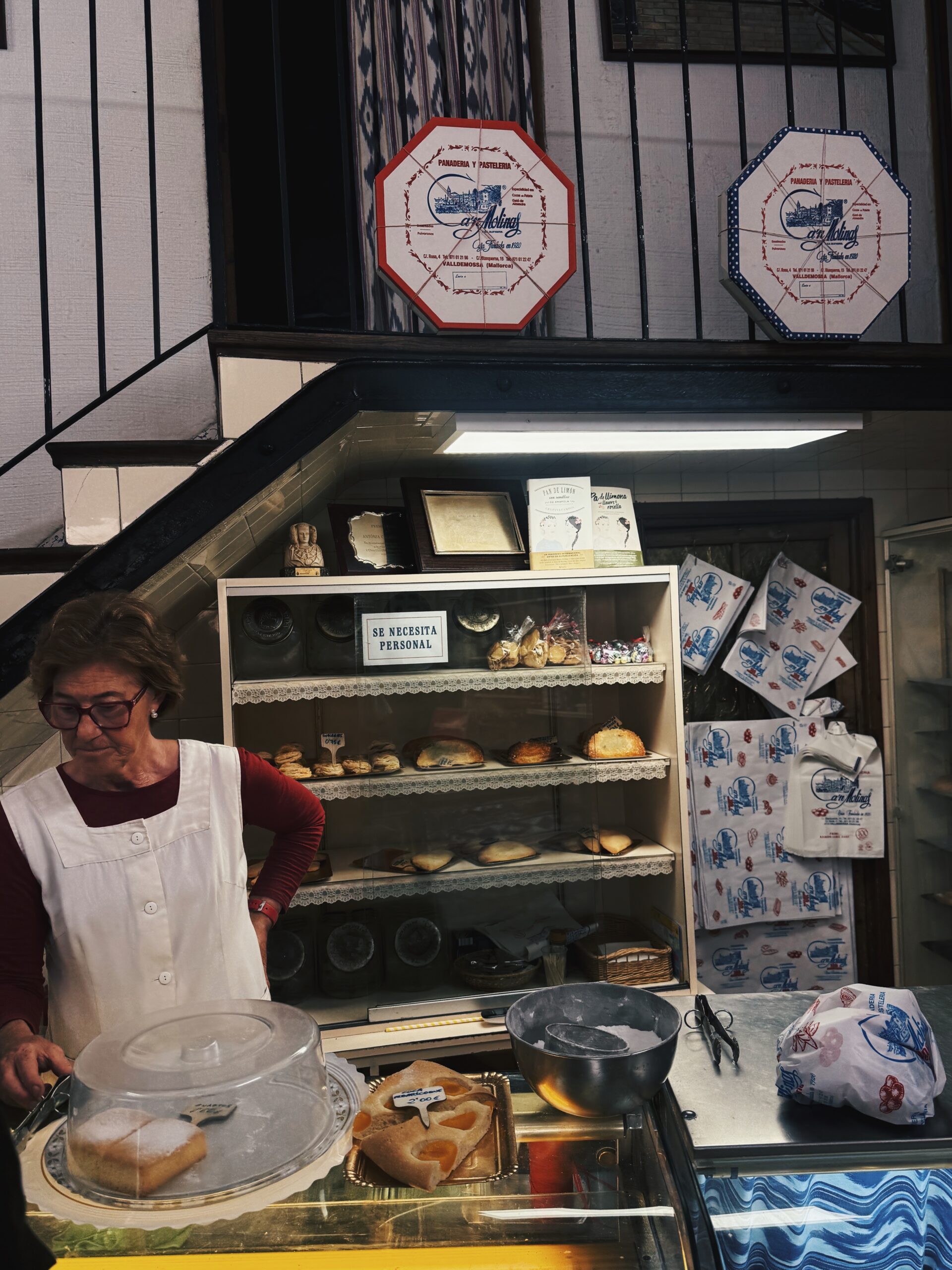
Famous because Chopin spent a winter here and complained about the weather the entire time (relatable, honestly). But forget Chopin. The real star of Valldemossa is the food scene and the shopping. The souvenir shops here aren’t your standard tourist tat. They’re genuinely special, full of handmade ceramics, local art, beautiful textiles, and quirky little things you didn’t know you needed. I could have filled an entire suitcase and still not been satisfied.
Now, about the famous coca de patata. The potato flour bun that every blog tells you is a “must-try.” I tried it. I’ll be honest: it didn’t do much for me. Too bland, too mild, the kind of thing where you keep chewing and waiting for the flavor to arrive, and it just… doesn’t. Maybe I got unlucky. But skip it and go straight for an ensaimada instead. Now THAT is the real Mallorcan pastry experience.
Sóller & Port de Sóller
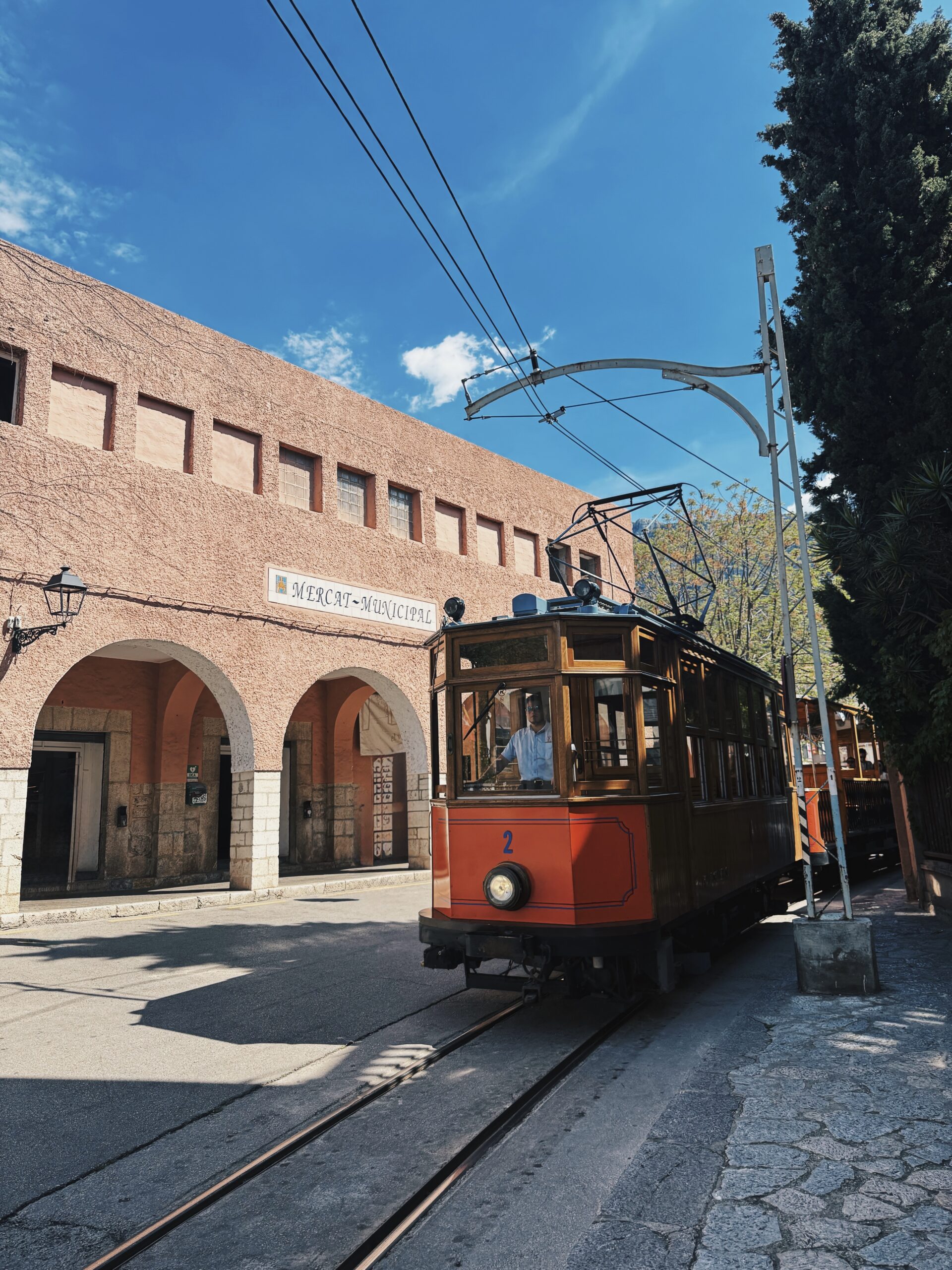
Sóller is one of those towns that just wraps its arms around you. A gorgeous main square, a vintage wooden tram that rattles down to the port (buy a ticket, ride it at least once, it’s older than most things in my apartment), and a local market that makes you realize how spoiled Mallorcans are with their produce.
But here’s the real insider tip: behind the market, there’s a vermutería with the freshest food I’ve had in years. The fish was perfect. And the meatballs. I know it sounds dramatic, but the meatballs were the best I’ve ever eaten. In my entire life. I sat there with a glass of cold vermouth, a plate of meatballs, and wondered why I live anywhere that isn’t Sóller.
The Food. Oh, the Food
Let’s talk about ensaimadas, because someone needs to. An ensaimada is a spiral-shaped pastry, light as air, dusted with powdered sugar, made with lard (sorry, vegans). On its own, it’s already wonderful. But when they stuff it with sobrassada, Mallorca’s spreadable cured sausage made with paprika, something almost spiritual happens. The sweet, flaky dough meets the rich, slightly spicy meat and your brain short-circuits. You need to eat one. Actually, eat several. I did.
Then there’s the bread situation. Mallorcans bake their bread without salt. I know. At first breakfast I thought something was wrong. This bread tastes like… nothing? But it’s tradition, it’s been this way for centuries, and honestly after a day or two you start to appreciate the weirdness. It forces you to load up on olive oil, tomato, and jamón, which is arguably the point.
The black rice paella blew my mind. Squid ink turns the rice jet black and the flavor is deep, oceanic, nothing like the yellow tourist paella you get elsewhere. Add a pile of fresh seafood on top and it’s the kind of meal you think about weeks later while eating sad desk lunches back home.
And in every single bar, every single one, you can order a tinto de verano. Red wine mixed with lemon Fanta or Sprite, served ice cold. Sounds terrible. Tastes incredible. The most refreshing thing you’ll drink all trip, and at about €3 a glass, the best deal on the island.
The Boring But Important Stuff
You Need a Car. Period.
Public transport exists, but it won’t get you to the places that make Mallorca special. We rented a Toyota Aygo and it was the best decision of the trip. Tiny enough to squeeze through medieval village streets, easy to park absolutely everywhere, cheap on fuel, and surprisingly comfortable on those mountain switchbacks. In April the roads are full of cyclists. It’s their training season before the summer heat, so the mountain roads are a bit slower, but honestly it’s not a problem. You’re on holiday, not in a race.
We booked through Discover Cars. They compare prices across all the major rental companies so you get the best deal. Highly recommend checking them for Palma airport pickup.
Where We Slept
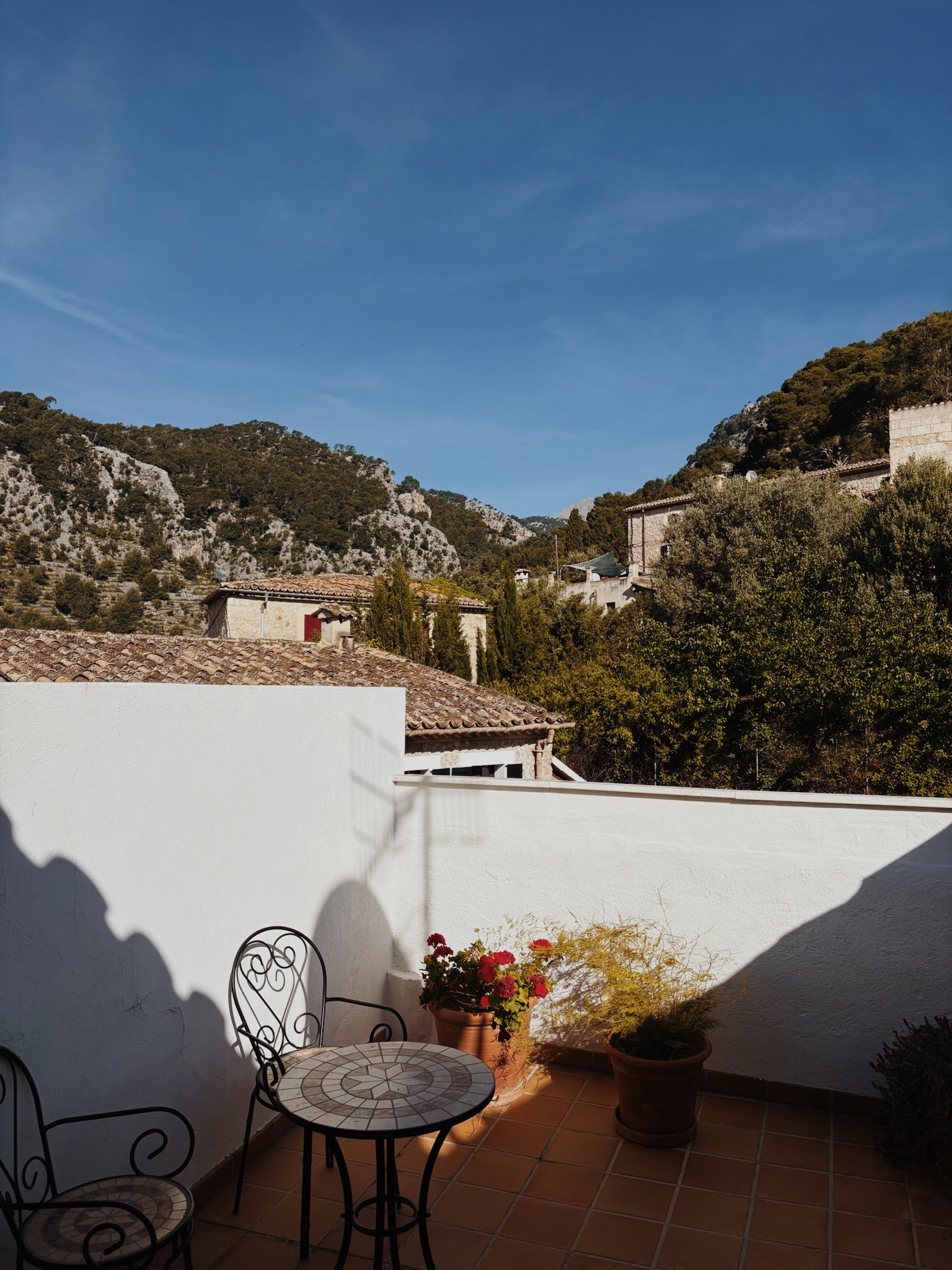
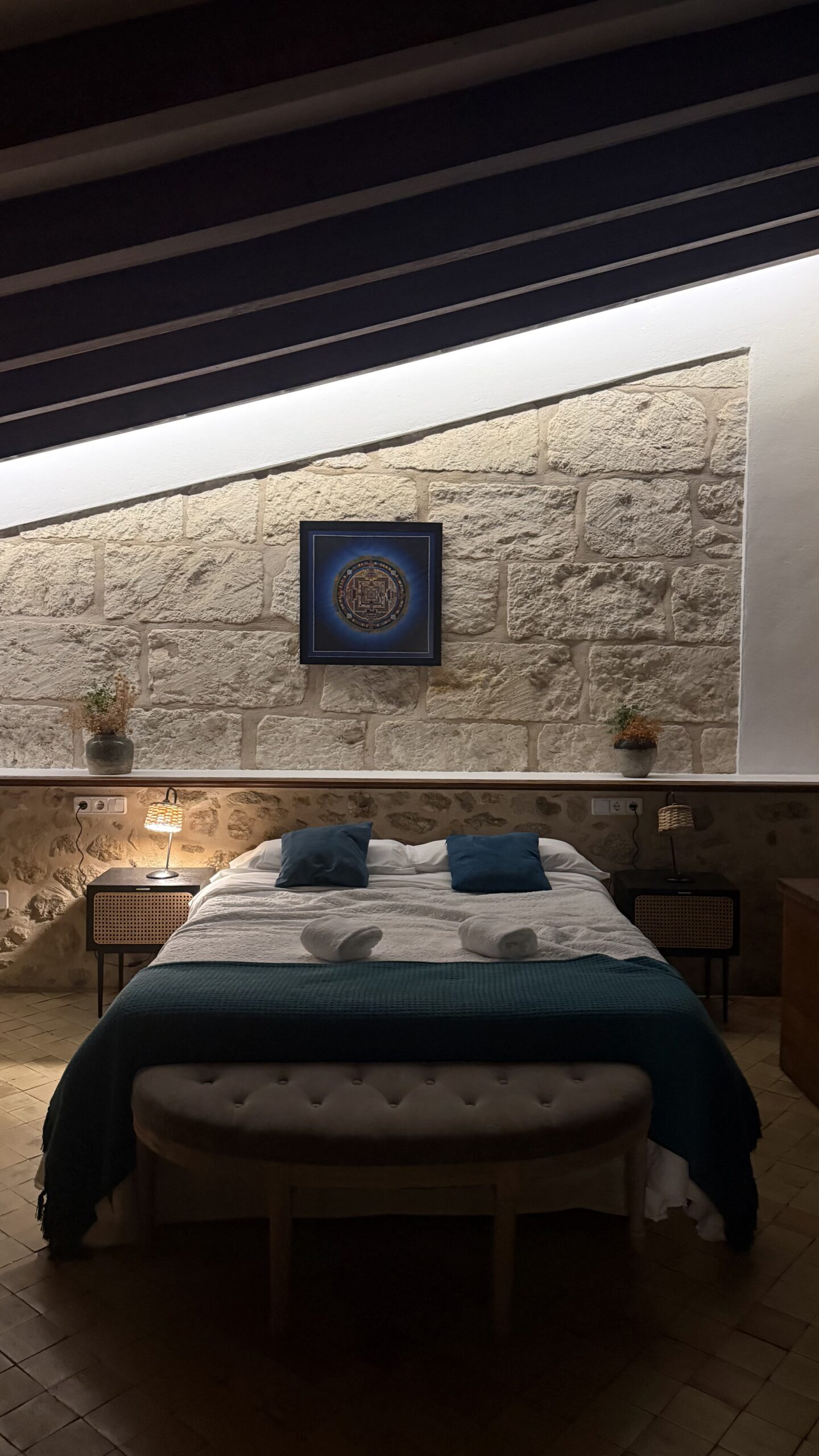
We based ourselves in Petit Caimari, a tiny village at the foot of the Tramuntana mountains. No tourists, no noise, just stone houses, orange trees, and stars at night. It’s the perfect base for exploring both the mountains and the coast, and everything is within an hour’s drive. Accommodation options are limited (this isn’t a resort area), but that’s exactly what makes it special.
What It Actually Costs
Mallorca in April is surprisingly affordable. Our rental car was around €25/day, dinners with wine rarely exceeded €30 per person, and the beaches are all free. Coffee is €1.50, a tinto de verano is about €3, and an ensaimada from a local bakery costs less than €2. The biggest expense is the flight, and if you catch a deal, even that’s manageable.
How I’d Do It: A Long Weekend
Day 1: Land in Palma, pick up the Toyota Aygo, drive straight to your base (skip Palma for now, you can explore it on the last day). Stop at a local bakery en route and get your first ensaimada. Settle in, find the nearest bar, order a tinto de verano. Breathe.
Day 2: Beach day. Hit Caló del Moro early (before 10am), then Cala Llombards, then wander through Santanyí if it’s market day. The water is cold but worth it. Lunch in one of the tiny restaurants in Santanyí. Go for the black rice paella if they have it.
Day 3: Mountains. Drive to Valldemossa in the morning, browse the incredible souvenir shops, skip the coca de patata, grab an ensaimada with sobrassada instead. Then continue to Sóller via the stunning mountain road (cyclists everywhere, just enjoy the slow pace). Find the vermutería behind the Sóller market. Order the meatballs. Thank me later. Ride the tram to Port de Sóller for sunset.
Day 4: Sa Calobra in the morning if you have the nerves for the drive, or Fornalutx for a more relaxed start. Pet every cat you see. Head back to Palma for the flight, stop at a bakery one last time. Promise yourself you’ll come back.
More Photos from Mallorca


So, Is Mallorca Worth It?
It was only a long weekend. Four days. And somewhere between the meatballs in Sóller, the transparent water at Caló del Moro, the cats in Fornalutx, and that first ensaimada with sobrassada, Mallorca stopped being “that party island” in my head and became something completely different. It became one of those places that rearranges your mental map of where you want to be in the world.
I’m already planning to go back in autumn. The crowds will be gone, the sea will still be warm from summer, and those ensaimadas aren’t going to eat themselves.
If you’re still thinking of Mallorca as just a package holiday destination, you’re missing out on all the hidden gems this island has to offer. Go in April. Rent a tiny car. Get lost on mountain roads. Eat everything. Talk to nobody’s plan. And bring an extra suitcase for the souvenir shops in Valldemossa. Trust me on this one.