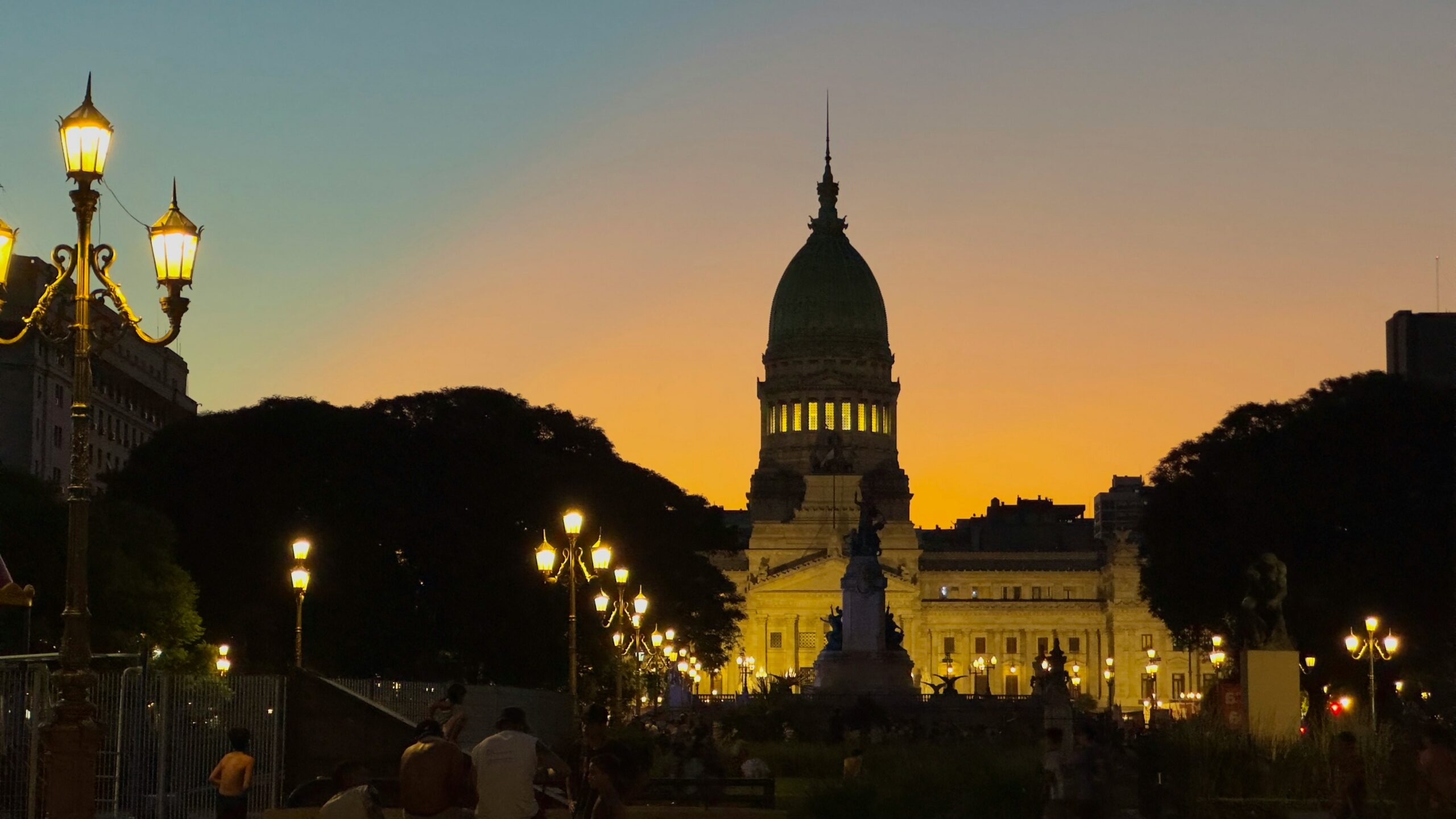
Buenos Aires is a city I haven’t seen, and one I’ve been fighting with myself about for years. Every time someone comes back from there, they have that look in their eyes. People talk about the meat the way they’d talk about a religious experience. Evenings that don’t even start before midnight. The taxi dropping them off at five in the morning, with the city just about to nod off. I need to go. I’ve been telling myself this for years.
The problem is that BA isn’t a city you visit for a long weekend and tick off a Lonely Planet top ten. You can do that. You’ll come back as empty as you arrived. BA doesn’t crack open in a couple of clicks.
So I did what I always do when my own experience is missing and the curiosity isn’t: I messaged a friend. Dani is an environmental scientist who lives in BA. We have known each other since university.
One thing worth knowing about Dani: he replies slowly. You message him on Tuesday and the first response lands Friday night, by which point you’ve already convinced yourself he forgot about it. Sometimes you have to ask the same thing two or three times, because that is just his rhythm. But when he does send the recommendations, you know they’re meant. None of that “oh, I’ve heard it’s good”. Only the places he actually goes to. He is my personal Anthony Bourdain. Three weeks in, with the full list finally in my hands, I caught myself thinking it was worth the wait. No reason to second-guess.
A blunt list. Three restaurants.
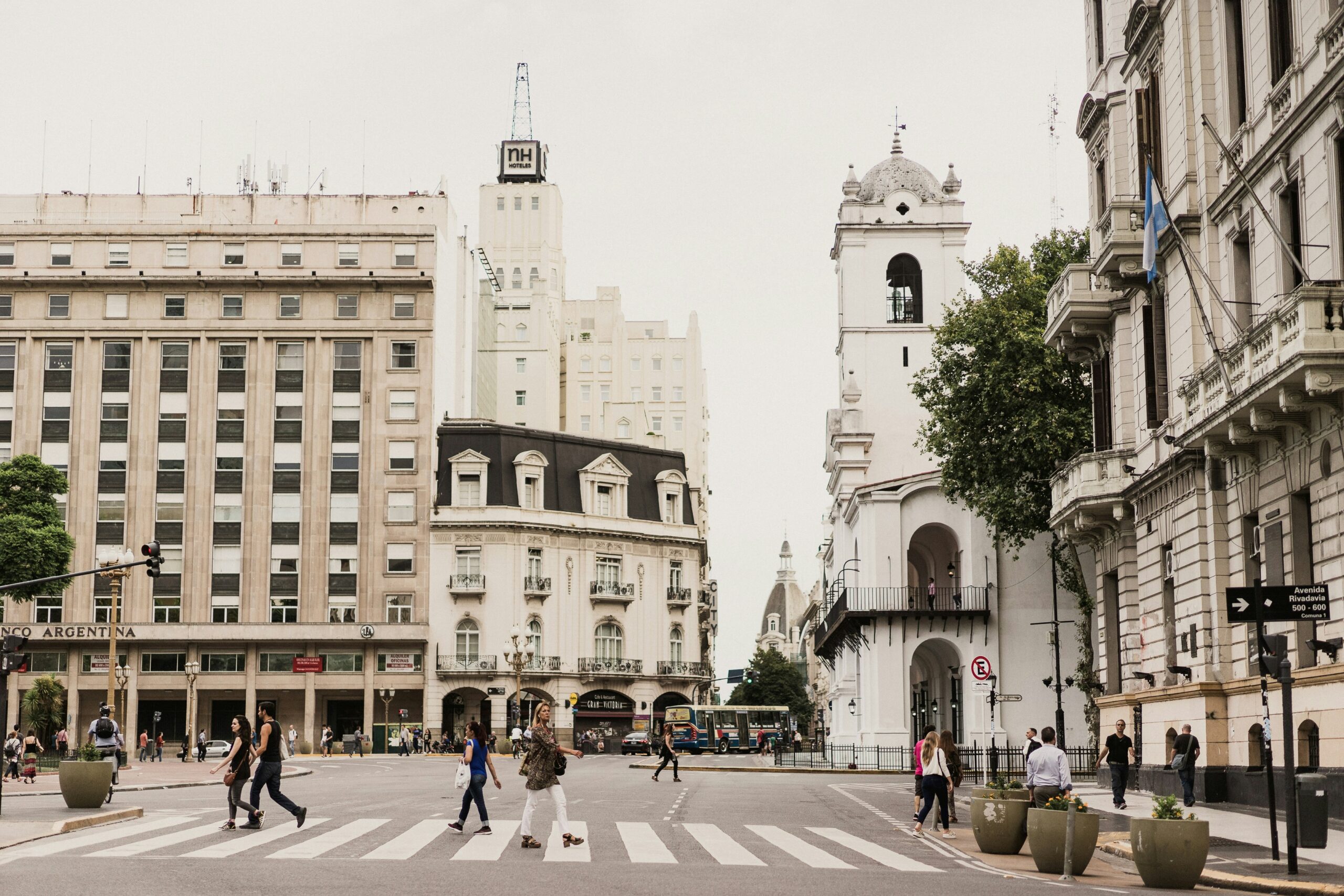
What you need to know before you sit down to eat in Buenos Aires
The first thing you have to wire your rhythm to: Argentines eat late. Not Spanish-late, another-Spain-late. Lunch starts at one thirty and often runs to four. Dinner doesn’t even happen before nine, and most restaurants are dead empty until ten. If you walk in at seven, you’re the only customer, and the waiter looks at you like a lost tourist. Which, in some sense, you are. Make it ten. Eleven. You’re not ruining your evening, you’re just pushing it back to where it belongs.
Meat here isn’t food, it’s identity. Parrilla, pronounced “pa-REE-zha”, means both the grill the meat sits over and the place that does it. The classic order is bife de chorizo (sirloin) or ojo de bife (ribeye). Dry-aged. Over coals. When the waiter asks for “punto”, it’s the doneness question. Argentines like it medium to medium-rare. There’s blood, less than Paris. On the side: provoleta, a thick disc of grilled provolone that should arrive molten with crisp edges. Morcilla is blood sausage. Chorizo is chorizo. All of it at once, on one big table, with a lot of wine. Malbec by default, until someone convinces you otherwise. And someone might, because Argentine wine is bigger than malbec, but that’s a story for another trip.
The Argentine economy has been a slow-motion disaster for years. Inflation in triple digits. The USD ran on two parallel rates for a long time (the official and the so-called “blue rate”), which meant a tourist using a card paid roughly twice what someone bringing cash dollars and changing them on Florida Street with an old guy whispering “cambio” paid. The 2024 Milei reforms have narrowed the gap, but haven’t quite closed it. There’s no point quoting exact numbers. Six months from now they’ll be wrong. Budget roughly: a good parrilla dinner for two with wine is between 60 and 120 USD. A simple lunch is 15 to 30. Coffee and gelato is 5. Check on the ground.
Booking: at the hottest places, a reservation is a good idea, especially on weekends. But this isn’t Paris or Tokyo, where you plan months ahead. A day or two is enough. Argentines don’t pre-plan their evenings.
Fervor: the steakhouse without a single TikTok star
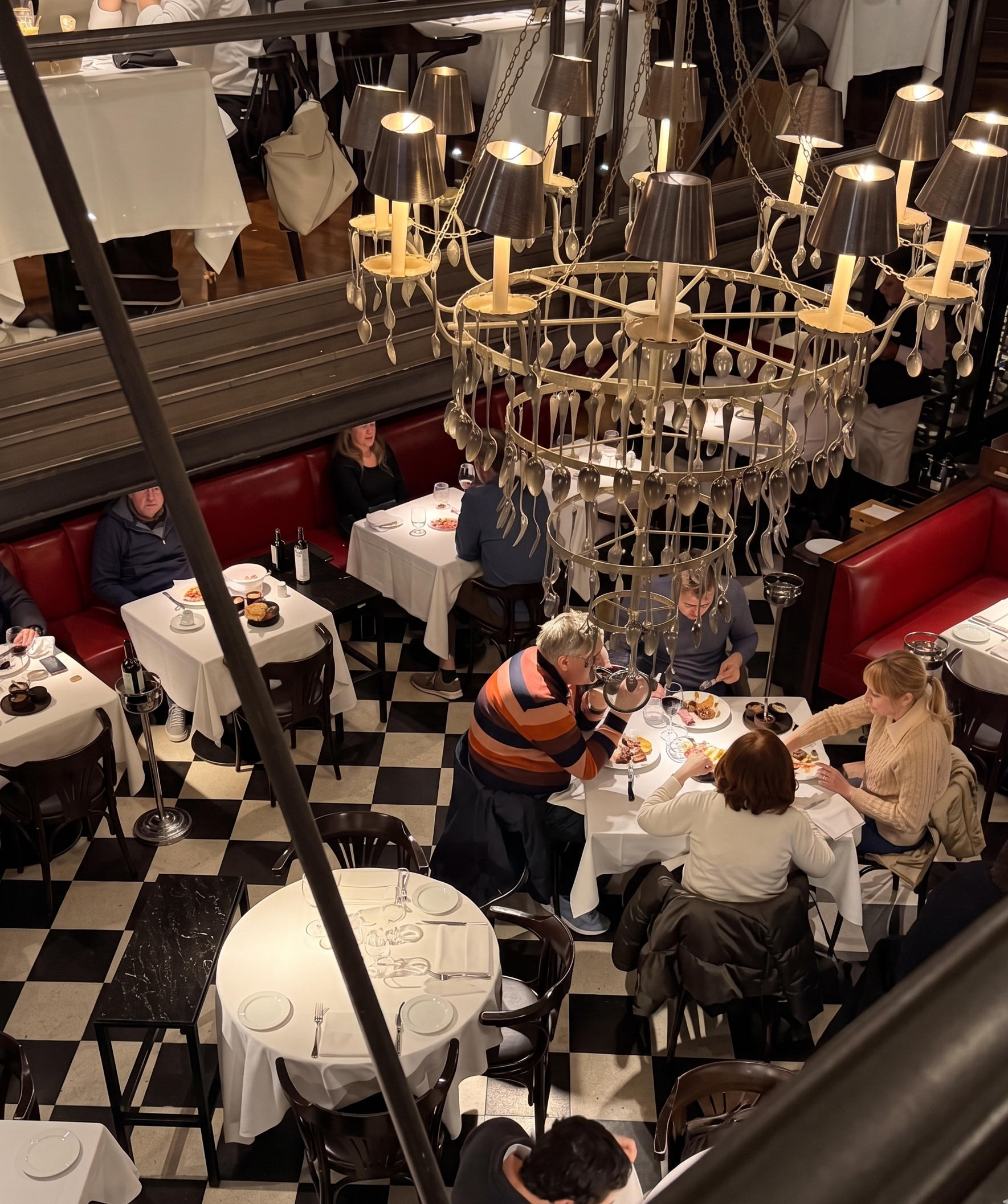
Fervor is Dani’s first recommendation, and what he wrote next to it is the best compliment a restaurant can get, as far as I’m concerned. Quote: “the best classic meat place without any of the TikTok-Instagram fame.”
That’s a direct shot at all the places every travel blog recycles. Don Julio, La Cabrera, El Pobre Luis. Those places are good, but Don Julio is booked three months out and you sit elbow-to-elbow with Australians filming their 800-gram ribeye in 4K. That’s something, but it isn’t an evening with meat. It’s an evening with the tourism industry.
Fervor is something else. You can book 24 hours ahead. For a Friday night, two days. You sit under high Recoleta ceilings at a white-tablecloth table, and nobody clocks you as a foreigner. Not because you blend in. Because the locals don’t care to clock you. Good sign.
The restaurant opened in 2008 by three brothers from Banfield, a southern BA suburb. Alejo, Tomas and Martin Waisman. Alejo told an Argentine magazine once that the original plan wasn’t even a parrilla. The plan was seafood. By the end of the first week they realised the plan was half wrong. People came for the fish, but everyone also asked for meat. So they rebuilt. Today Fervor is a parrilla that handles fish better than most seafood places in the city. Fresh Mar del Plata catch, daily.
While you’re there, order the classics. Ojo de bife or bife de chorizo, dry-aged. Provoleta to start, crisp surface, molten centre. But if you want what you won’t find at most parrillas in BA, order the whole lenguado, a flat-fish, grilled over the coals. They fillet it at your table, and you get white flesh that was in the waves an hour ago.
The crowd is the kind that lives nearby on Avenida Alvear. Old families who still remember pre-war Argentina. Business lunches where the contracts are too complicated for email. They didn’t come for the gram. They came because someone (probably a local friend, the Dani-type) told them this was the place.
Practical move: make this a long lunch, not a quick meal. The Argentine lunch tradition is the slow, two-or-three-hour kind. Walk to Recoleta Cemetery afterwards. The cemetery is a little city for the dead, marble mausoleums clustered around a central street. Only Argentina could turn a cemetery into a tourism peak. Then, if it’s a weekend, the Plaza Francia craft fair. A good day. A good restaurant at the centre of it.
Posadas 1519, Recoleta | $$$ (mains 50-100 USD, dinner for two with wine 100-180 USD) | MUST ORDER: dry-aged ojo de bife, provoleta to start, and the whole grilled sole (lenguado), filleted at your table. Book 1-2 days ahead, especially for weekends.
Mauer Bar: when Berlin crashes into Argentina’s north side
Dani’s second pick made me pause, because it doesn’t sound like BA at all. Mauer Bar. “Mauer” is German for wall. Location: Nunez, a quiet residential neighbourhood in BA’s north where tourists rarely end up and the Subte doesn’t run. Sounded like a mistake. Then I understood what Dani was doing.
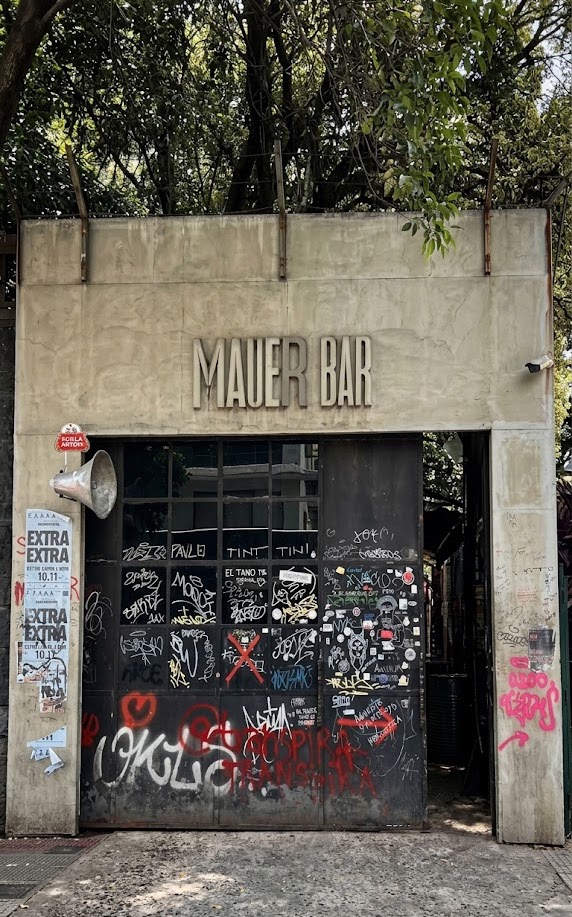
He’d deliberately put one place on the list that isn’t “classic Argentina”. The first time you go to BA, you want to eat parrilla and pizza and gelato. Every day. Everything. As much as your stomach can take. But you’re also going to spend one evening where your body says stop and you need somewhere that isn’t beef. Mauer is that kind of place. Argentines know how to do other things too. They’re the product of waves of European immigration. One in four Argentines is Italian by descent. A serious chunk are German. This isn’t exotic cosplay of foreign food. This is the city’s actual history.
Mauer opened around the 30th anniversary of the fall of the Berlin Wall, in 2019. Not the cautious concept-bar where every detail comes from a Pinterest board. More like a place that wants to feel what Berlin felt in the 1990s, when the Wall had free art on it and everyone was waiting for the revolution. The interior is Checkpoint Charlie references, Wall-style murals, dark wood, a lot of steel. No graphic-design eclecticism. Atmosphere.
The kitchen is German-Argentine fusion, run by chef Nicolas Colli. Schnitzel from local beef. Currywurst with a mate marinade. A few dishes you’ll have to ask about because the menu is in German and the descriptions are short. The food is good, the portions are Argentine-sized. The drinks split into two: one side is the tap wall, up to 20 taps of Argentine craft beer (which is seriously better than you think it is), the other is cocktails by Leandro Milan, a well-known BA bartender. The cocktail names reference German historical figures. Slightly self-conscious, sure, but the drinks are well-made and the pours are real.
Practical thing you need to know. There’s no direct Subte to Nunez. Cabify or Uber from downtown is the easiest, about 15 minutes. The Mitre train runs to Belgrano C station, then you walk. Mauer is mostly open Fridays and Saturdays, late. Show up at nine and you’re greeted by empty tables and a DJ still setting up. By eleven it starts coming alive. After midnight, it’s what it’s meant to be.
If you’re the kind of traveller who wants classic BA postcard shots, you can skip it. But if you’ve already eaten ribeye two nights in a row and you’ve hit that fatigue that comes after the fourth parrilla, Mauer is the place that lets you wake up the next morning and remember BA is a city, not just a meat-pile.
O’Higgins 3573, Nunez | $$ (cocktails 8-15 USD, mains 15-25 USD) | MUST ORDER: schnitzel from local Argentine beef + one or two Argentine craft beers from the tap wall (up to 20 taps). Arrive after 10 PM to catch the Berlin-style atmosphere as intended. Friday and Saturday evenings are the busiest.
La Rambla: the lomito worth swearing on
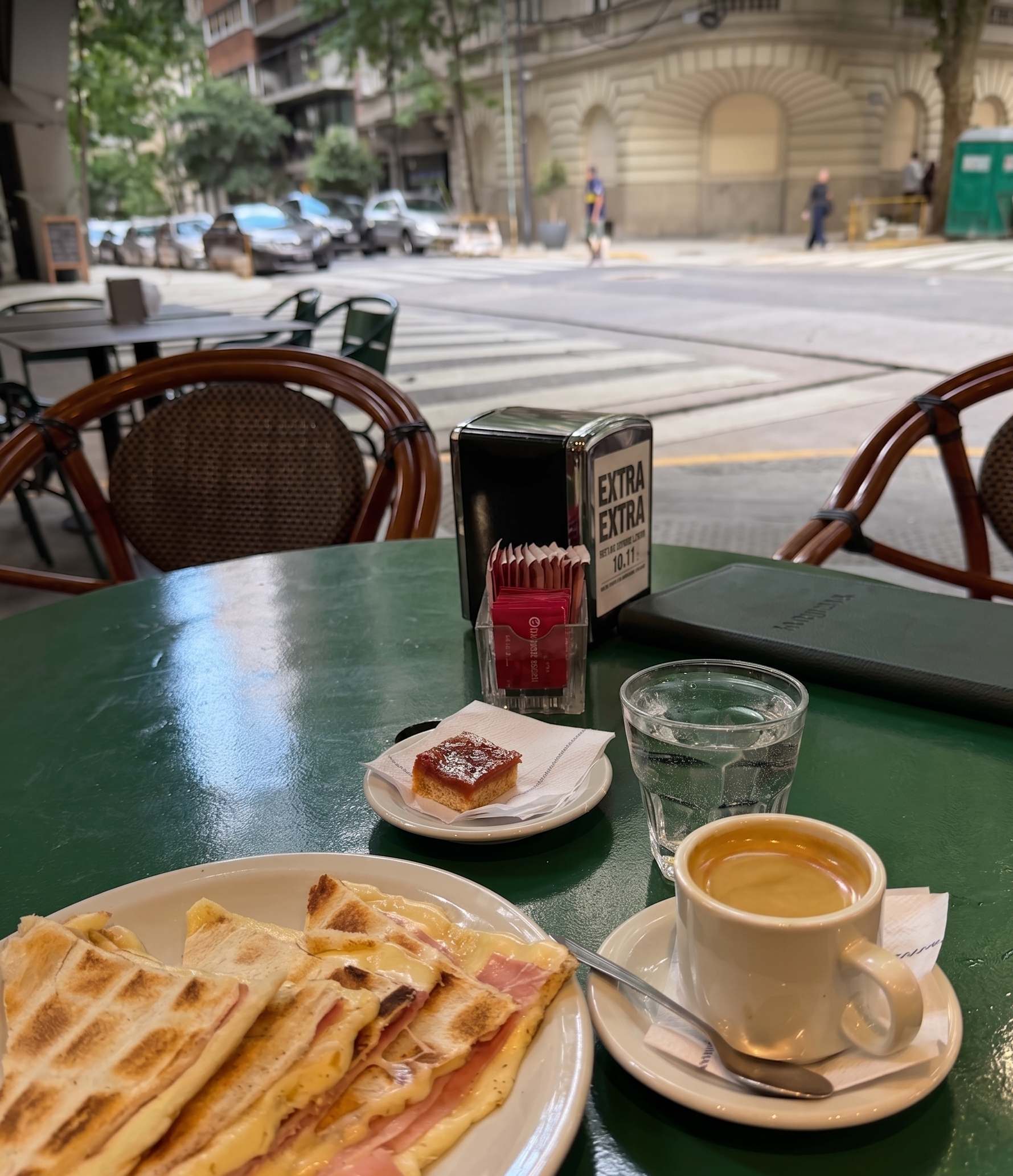
Dani’s third recommendation is my favourite on the whole list, because it isn’t fancy or elegant. It’s just stupidly good. La Rambla is a classic porteno bodegon, an old-school bistro that’s been at Posadas 1602 since 1963. This is the Buenos Aires that comes from your grandparents. White-shirted waiters with bowties. A marble-tiled floor, mid-twentieth-century style. The waiter greets you like you’ve eaten here a hundred times, even if you haven’t.
You sit down, read the menu like a story, and then you order the lomito. That’s why you’re here. That’s why every Argentine is here.
Lomito in Argentina isn’t what you’ll find under that name in Peru or Mexico. It’s not pork. It’s not on a plate. It’s beef (filet mignon, sometimes loin), cooked medium-rare, between two thicker slices of slightly toasted bread, with ham, cheese, lettuce, tomato, and if you ask, a fried egg. La Rambla does it so well it sets the bar. There are other lomito places in town, bigger names, more press. La Rambla is the old man in the corner who, when the young cocky ones are arguing, says quietly: I was taught this on my twentieth birthday, this is how I do it, end of conversation.
The waiter doesn’t ask if you want the English menu. You try Spanish, the waiter meets you halfway. Food arrives in about 25 minutes, which by BA standards is fast. You eat. You drink a little wine. You pay. You walk out happy, glance at the bill again to make sure it really was 15 dollars, and feel like you’ve stolen something.
Practical: La Rambla sits at Posadas 1602, a few doors from Fervor. Which makes for a perfect Recoleta day. Morning walk along Avenida Alvear, BA’s Paris-style boulevard, built by the wealthy families at the turn of the twentieth century, back when Argentina was thought of as a future world power. Lunch at La Rambla. Recoleta Cemetery in the late afternoon, in golden-hour light. Dinner at Fervor if you can fit it. Or a cafe, if you can’t. The whole thing is walkable, because Recoleta is compact like that, and you’ll fall asleep that night feeling like you actually got a piece of this city you’ll carry for years.
Posadas 1602, Recoleta | $ (lomito + frites + drink ~12-18 USD) | MUST ORDER: lomito completo (filet mignon, ham, cheese, lettuce, tomato, fried egg) + frites + a glass of malbec. No reservation needed, just walk in. Works well as lunch after visiting Recoleta Cemetery.
What I took away from Dani’s list
I read a friend’s recommendations several times before I lock in a route. Not because I doubt them, but because they’re oxygenated. Every line has something that ends up teaching me later.
Three restaurants, three completely different stories. Fervor is classic elegance. Mauer is the city’s other side, evening, unexpected. La Rambla is an old man who knows his job. What gets me about this list is that it isn’t a “best of”. Dani didn’t send me Don Julio. His recommendations aren’t trying to dazzle me. His recommendations are trying to take me to his evening.
Someone taking you to their evening is the best thing you can get from anyone. Not a catalogue. Not a sponsored newsletter. A person who, after a long workday, wants to sit down and eat something they actually know. That kind of list only gets made when somebody really knows their city.
If you’re going to BA, put these three on your map. But don’t make them your whole plan. Dani also sent me two other lists: one of hidden gems, one of places to visit. Those are coming next. You could write a book about BA instead of an article. Books come later. For now, three restaurants.
Before you fly, get travel insurance sorted. I recommend EKTA for flexible plans covering trip cancellation, medical expenses, and lost luggage. Argentina healthcare can be expensive for tourists without coverage.
For mobile data in Argentina, grab a Saily eSIM before departure. You activate it before you leave and stay connected instantly. Argentine SIM cards are a hassle to set up, so an eSIM saves a lot of time.
For flights, compare prices on Aviasales. They search hundreds of airlines and often find cheaper fares to Buenos Aires than other search engines.
Explore Buenos Aires activities
Guided tours, food walks, tango shows and other experiences in Buenos Aires.
Browse Buenos Aires tours →More experiences available on Klook, Tiqets, and WeGoTrip for food tours, guided walks, and attraction tickets across Buenos Aires.
Season: the best time for BA is autumn (March to May) and spring (September to October). Summer (November to February) is hot and humid. Many locals leave the city. Winter (June to August) is mild, 8 to 15 degrees. The city doesn’t sleep.
Transport: the Subte (metro) is cheap and fast downtown, requires a SUBE card (from kiosks). Cabify and Uber are reliable. Taxis work too, but pay by card when you can, because arguments over change can run long. Recoleta, Palermo and San Telmo are walkable.
Booking: Fervor wants a reservation, especially on weekends (1-2 days ahead is fine). Mauer Bar is more relaxed about bookings, but aim to arrive after 10 or 11. La Rambla doesn’t need a reservation, just walk in.
Budget: Argentine inflation keeps prices in motion. Rough framework: a good parrilla dinner for two is 60 to 120 USD with wine, a simple lunch is 15 to 30, coffee and gelato is 5 to 10.
Getting around Buenos Aires? If you’re planning day trips or want the freedom to explore at your own pace, renting a car can be a great option. Compare prices and book through Discover Cars to find the best deals.
Read also:
Buenos Aires Hidden Gems: A Local’s Favorites (coming soon)
Buenos Aires Places to Visit: Beyond the Obvious (coming soon)
Have you been to Buenos Aires, or planning a trip? What was your favourite place there? Let me know in the comments.