Estonia transforms completely during summer. The long Nordic days, with nearly 19 hours of daylight in June, turn this small Baltic country into an open-air stage for hundreds of festivals, concerts, and cultural gatherings that would be impossible during the dark winter months.
Whether you’re into folk music, contemporary art, medieval history, or simply eating your way through a country, Estonia festivals in 2026 have something extraordinary happening almost every single weekend. Here’s your complete region-by-region guide to the best things to do in Estonia this summer, from June through August and beyond.
Summer 2026 event calendar at a glance
| Date | Event | Location |
|---|---|---|
| June 3–7 | Baltica Folklore Festival | Tallinn |
| June 5–7 | Tallinn Old Town Days | Tallinn |
| June 22–23 | Pühajärve Midsummer Bonfire | Otepää, South Estonia |
| July 2–5 | Haapsalu White Nights Festival | Haapsalu |
| July 9–11 | Beach Grind | Pärnu |
| July 9–12 | Võru Folklore Festival | Võru, South Estonia |
| July 10–12 | Tallinn Medieval Days | Tallinn |
| July 10–12 | Tallinn Maritime Days | Tallinn (harbors) |
| July 16–19 | Rally Estonia – FIA WRC | Tartu, South Estonia |
| July 16–19 | I Land Sound | Saaremaa |
| July 17–18 | Ostrova Festival | Setomaa |
| July 18–25 | Saaremaa Opera Days | Kuressaare, Saaremaa |
| July 23–26 | Viljandi Folk Music Festival | Viljandi |
| July 23–26 | Haapsalu Early Music Festival | Haapsalu |
| July 30 – Aug 9 | Birgitta Festival | Tallinn (Pirita) |
| July 31 – Aug 2 | Tallinn Rock Festival | Tallinn |
| July 31 – Aug 2 | Augustibluus | Haapsalu |
| August 1 | Seto Kingdom Day | Mikitamäe, Setomaa |
| August | Tartuff Love Film Festival | Tartu |
| Sept 3–6 | Station Narva | Narva |
North Estonia and Tallinn
The capital is where summer kicks off with the biggest international acts and the densest concentration of museum experiences. Tallinn summer events alone could fill an entire trip.
Tallinn Old Town Days (June 5–7)
Every June, Tallinn’s UNESCO-listed medieval Old Town fills its cobblestone streets, hidden courtyards, and green spaces with live music, theatre, street food, and workshops. The Old Town Days festival is completely free and gives you a reason to explore corners of the old town that most tourists walk right past. Expect everything from jazz quartets in church courtyards to craft beer pop-ups along the city walls.
We go every year. Last time we stumbled into a courtyard where an old man was playing violin and someone was selling chocolate from the building next door. No guidebook tells you about moments like that.
🌐 Old Town Days | 🎫 Free event | 📍 Tallinn
Baltica Folklore Festival (June 3–7)
The 38th edition of this pan-Baltic folklore celebration lands in Tallinn in 2026. Baltica rotates between Estonia, Latvia, and Lithuania each year, bringing together folk dancers, singers, and traditional craftspeople from all three countries. It’s a rare chance to see living Baltic traditions performed by groups who have kept these art forms alive for generations.
Baltica rotates between countries and this year it’s our turn. Three nations’ folk traditions under open sky. We’ll be there.
🌐 Baltica Festival | 🎫 Free event | 📍 Tallinn
Medieval Days (July 10–12)
Tallinn already looks medieval, but during Medieval Days in July the old town fully commits. Merchants in period dress sell handmade goods, blacksmiths work at open forges, and musicians perform on instruments you’ve never seen before. For 2026, the festival expands to include Freedom Square as a new venue alongside the traditional Town Hall Square. The medieval restaurant scene in Tallinn is already legendary, during this festival, it spills onto the streets.
An absolute favourite. The medieval food is, honestly, surprisingly good and the artisans genuinely put their hearts into it. Third year in a row, still want to go back.
🌐 Medieval Days | 🎫 Free event | 📍 Tallinn
Birgitta Festival (July 30 – August 9)
One of Estonia’s most atmospheric cultural events takes place in the ruins of Pirita Convent, a 15th-century Bridgettine monastery overlooking the sea. The Birgitta Festival stages opera, ballet, and musical theatre against this hauntingly beautiful backdrop. Watching a full opera performance as the Baltic sun sets behind medieval stone walls is an experience you won’t forget.
Sounds pretentious, opera in convent ruins. But then you sit there and the sun sets and the sound comes from everywhere. One of those things you don’t believe until you’re actually there.
🌐 Birgitta Festival | 🎫 Buy tickets | 📍 Tallinn (Pirita)
Tallinn Rock Festival (July 31 – August 2)
For something louder, Scorpions, Godsmack, Sepultura, P.O.D., Hatebreed, and White Lies headline the 2026 edition at Unibet Arena. Sepultura’s appearance is their Baltic farewell show, making this a historic night for metal fans. Estonia punches well above its weight in attracting international rock and metal acts.
Scorpions and Sepultura in Tallinn, seriously? Even if metal isn’t your thing, the arena atmosphere is something you have to feel for yourself.
🌐 Tallinn Rock Festival | 🎫 Buy tickets | 📍 Tallinn
Tallinn Maritime Days (July 10–12)
Running the same weekend as Medieval Days, Estonia’s biggest maritime and family festival turns the capital’s waterfront into a lively celebration of its seafaring roots. While the Old Town goes medieval, the action at the harbors unfolds across four locations, Old City Harbour, the Seaplane Harbour (Lennusadam), Noblessner Marina, and Pirita Yacht Harbour, with ship tours, sea taxi rides, live music, children’s zones, and craft markets. Free entry.
Seaplane Harbour is already a favourite. During Maritime Days you can climb aboard ships and eat street food on the quay. A whole day disappears there without you noticing.
🌐 Maritime Days | 🎫 Free event | 📍 Tallinn | 📖 Read the full guide
Museums worth visiting
Tallinn’s museum landscape is excellent for a city this size. The Seaplane Harbour (Lennusadam) houses a full-size 1930s submarine, a century-old icebreaker, and a full-scale replica of a Short Type 184 seaplane in a massive concrete hangar originally built for the Russian Imperial Navy. Kumu Art Museum, the largest art museum in the Baltics, always has rotating contemporary exhibitions alongside its permanent collection of Estonian art from the 18th century to today.
A practical tip: on the first Sunday of each month, Tallinn city museums offer free admission. Check museum websites for details and pre-registration if required.
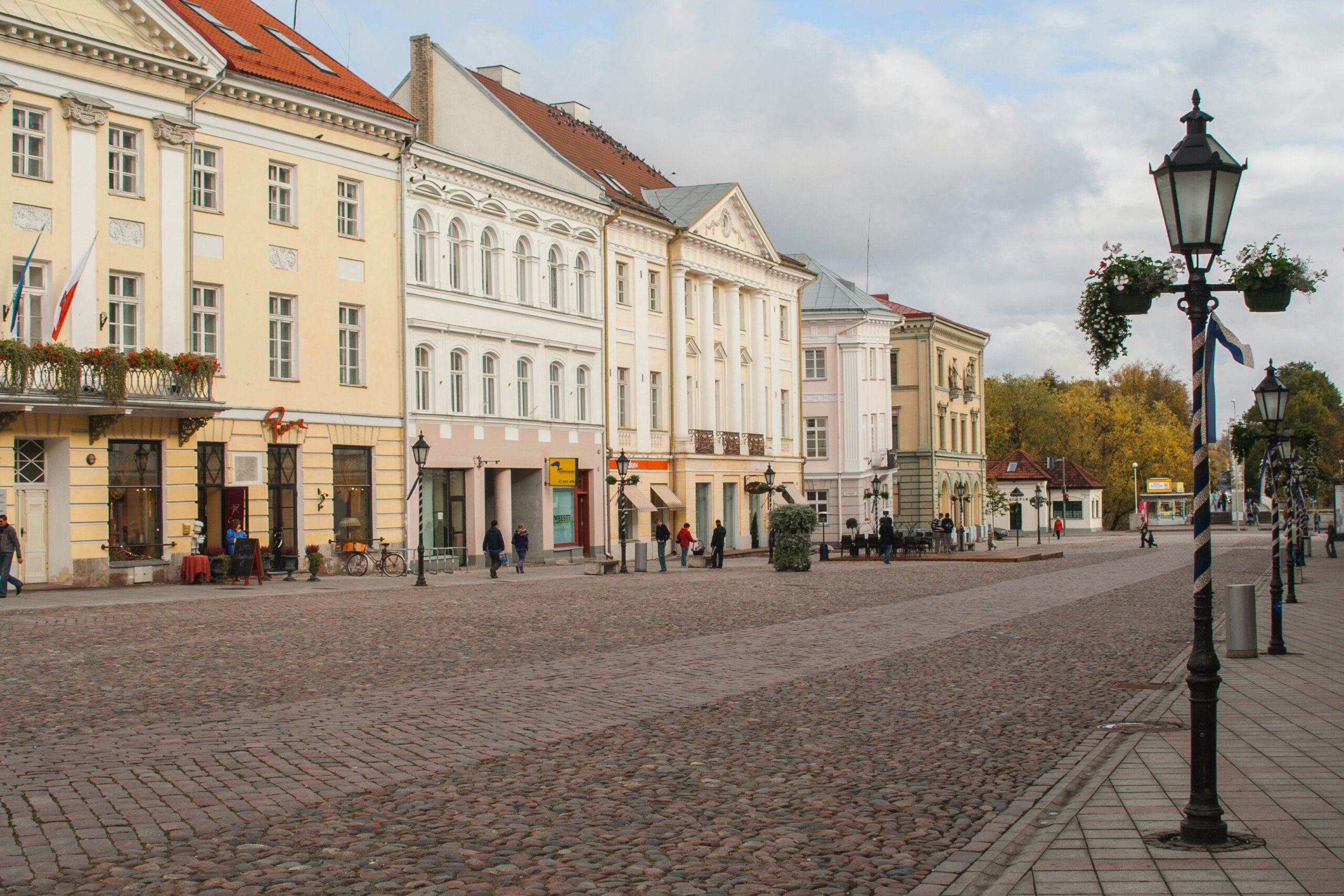
South Estonia: Tartu, Setomaa, and Võru County
South Estonia has a completely different character, rolling hills, ancient forests, and cultural traditions that feel distinctly separate from the capital.
Rally Estonia – FIA WRC (July 16–19)
World Rally Championship comes to Tartu and South Estonia’s gravel roads every summer. Rally Estonia has become one of the most popular stops on the WRC calendar, with fast stages cutting through forests and past lakes. Even if you’re not a motorsport fan, the atmosphere in Tartu during rally week is electric, the entire city becomes a fan zone. It’s also the Baltic region’s biggest annual motorsport event.
Even if rally isn’t your thing, standing by a forest road as WRC cars blast past your ears, that gets your heart racing. The whole city of Tartu lives and breathes it.
🌐 Rally Estonia | 🎫 Buy passes | 📍 Tartu / South Estonia
Tartuff Love Film Festival (August)
One of the largest open-air film festivals in the Baltics and Estonia’s only festival dedicated entirely to love stories, romantic, complicated, heartbreaking, all of it. Tartuff screens films in unconventional venues across Tartu, including outdoor screenings in parks and historic buildings. Many screenings are free. It’s intimate, well-curated, and nothing like mainstream film festivals.
Bring a blanket and watch films under Tartu skies. Romantic? Yes. But also just a lovely summer evening, even on your own.
🌐 Tartuff | 🎫 Free event | 📍 Tartu
Seto Kingdom Day (August 1)
This might be the most unique cultural event in all of Estonia. The Seto people are a Finno-Ugric ethnic group in southeastern Estonia (and across the Russian border) with their own language, polyphonic singing tradition (recognized by UNESCO), distinctive dress, and even their own elected "king." Every first Saturday of August, they gather in a different village in Setomaa to crown the new Seto Ülemsootska. In 2026, the celebration takes place in Mikitamäe in a ceremony that mixes genuine tradition with joyful celebration. You’ll need to buy a "visa" to enter the kingdom, available at piletikeskus.ee. The Seto Kostipäev (feast day) runs alongside, with traditional foods you won’t find anywhere else in Estonia.
Setomaa has its own king. Literally. Own songs, own food, own rules. You won’t find anything like it anywhere else in the world. I’ve been wanting to go for ages, this year it has to happen.
🌐 Setomaa | 🎫 Piletikeskus | 📍 Mikitamäe, Setomaa
Ostrova Festival, Setomaa (July 17–18)
A smaller, more intimate music festival in the Seto heartland. Ostrova brings together Estonian and international folk and world music acts in a landscape of onion-domed Orthodox churches, sandy pine forests, and lake shores.
Small and real. Exactly the kind of Estonian experience we started this blog for. The opposite of mass tourism.
🌐 Ostrova Festival | 🎫 Piletikeskus | 📍 Setomaa
Võru Folklore Festival (July 9–12)
Võru County in deep South Estonia hosts its own traditional culture festival every July, celebrating the Võro culture, another distinct regional identity with its own language (Võro) and traditions. Beyond folk dance, the festival includes traditional music, crafts, and storytelling from across the Võro cultural region.
You actually get to dance here, not just watch. Your feet will ache afterwards, but that’s how the best festivals work.
🌐 Võru Folklore Festival | 🎫 Fienta | 📍 Võru
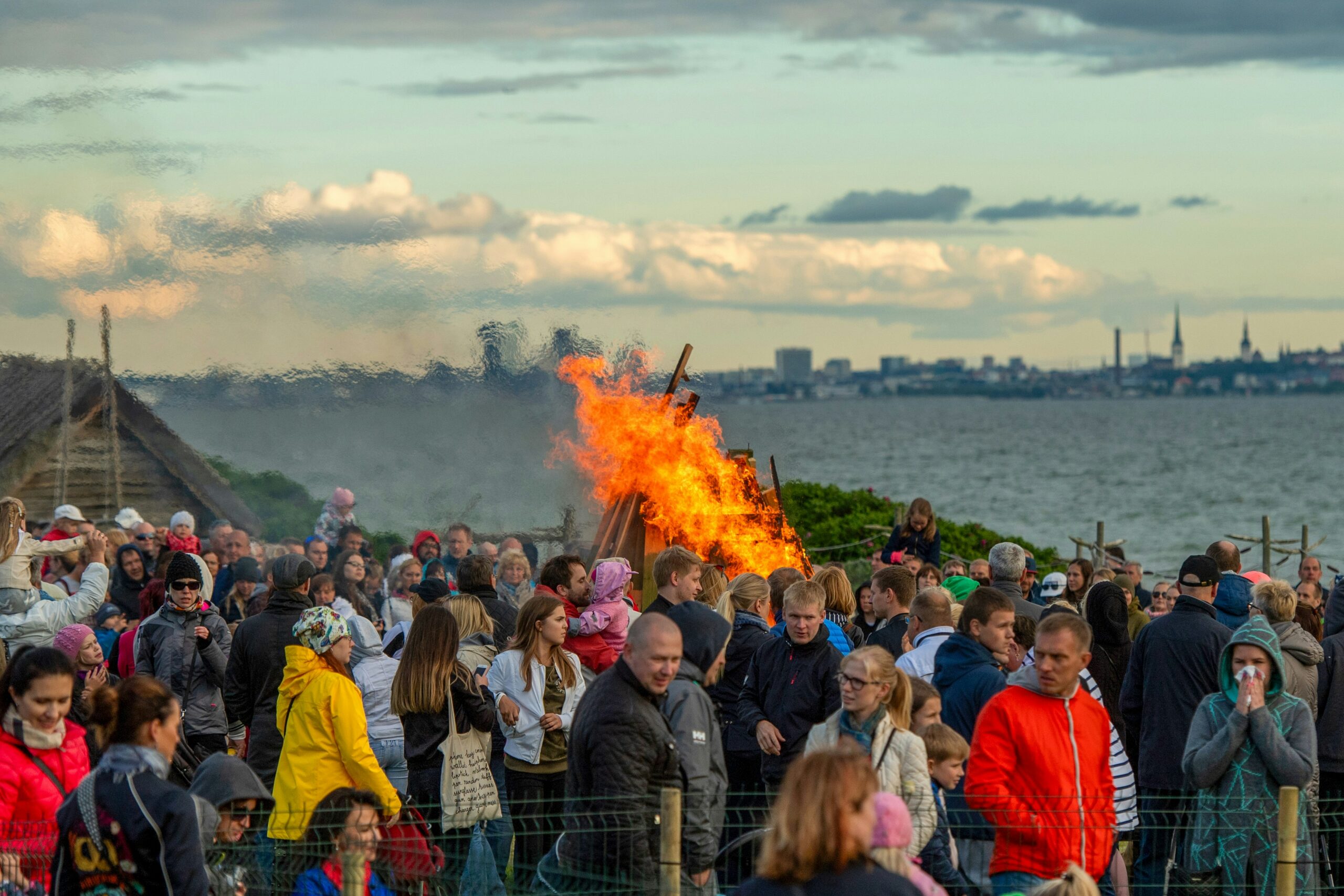
Pühajärve Midsummer Bonfire (June 22–23)
Jaanipäev (Midsummer) is the biggest celebration of the Estonian calendar, and Pühajärve near Otepää in South Estonia hosts one of the country’s largest public bonfires. Thousands gather around the lake for music, dancing, and the tradition of jumping over the bonfire. Estonian top artists like Smilers, Tanel Padar, and Terminaator perform against the backdrop of Lake Pühajärv. If you’re in Estonia during Midsummer, this is where you want to be.
Estonia’s biggest midsummer bonfire, by the lake, the shortest night of the year. People dancing and grilling and nobody sleeping. You have to experience this at least once.
🌐 Pühajärve Midsummer | 🎫 Buy tickets | 📍 Otepää, South Estonia
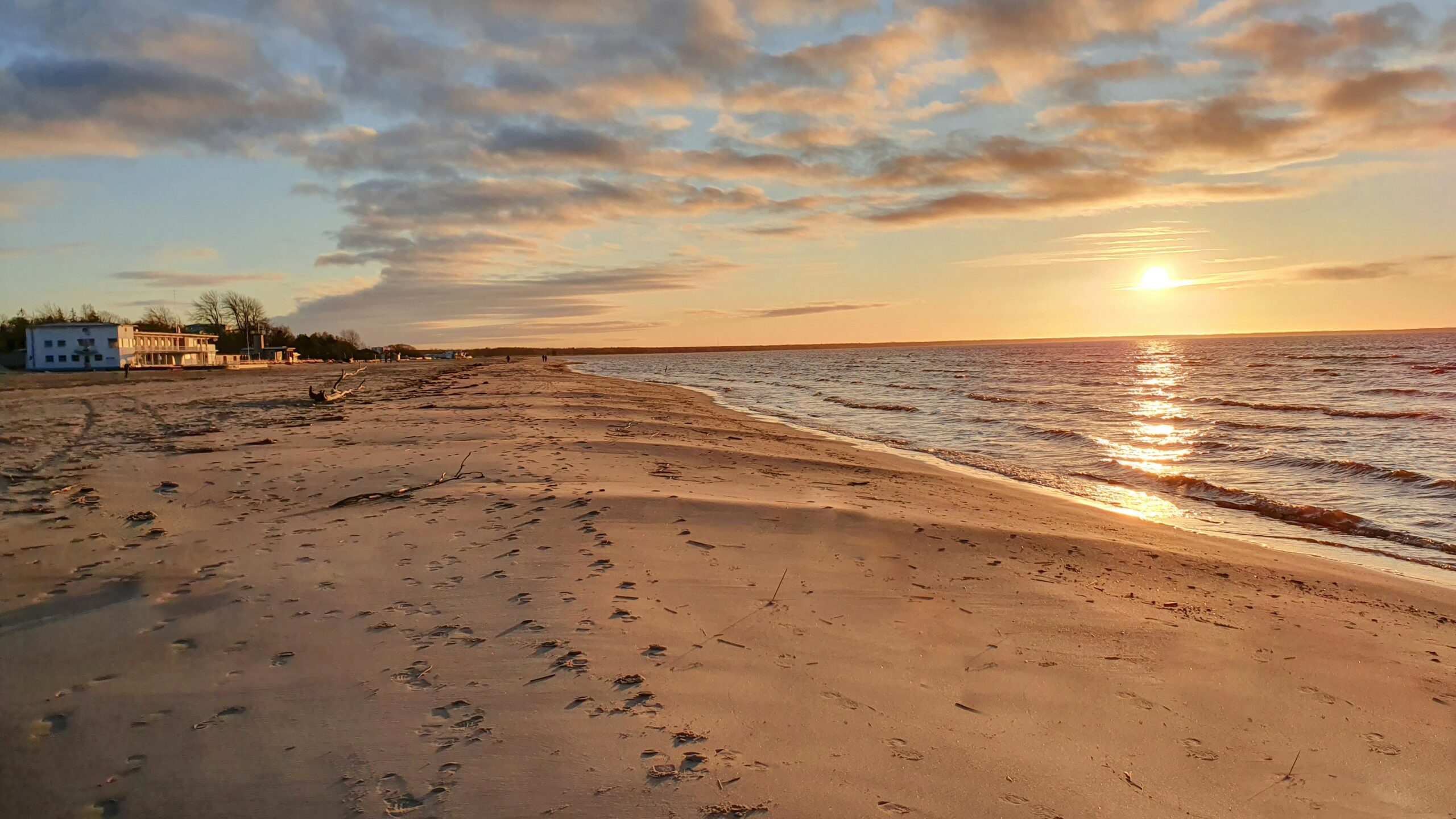
West Estonia: Pärnu, Haapsalu, and the Islands
Estonia’s western coast and islands have a completely different summer energy, spa towns, historic castles, and festivals that make the most of the coastal setting.
Haapsalu White Nights Festival (July 2–5)
Haapsalu is one of Estonia’s most charming resort towns, Tchaikovsky composed here, and the town’s wooden promenades and episcopal castle create a perfect setting for this multi-day cultural festival. White Nights mixes classical music, jazz, theatre, and visual arts across venues throughout the town.
Haapsalu in summer is a magical place, full stop. The White Lady legend, castle ruins, the sea. This festival ties it all together.
🌐 White Lady Days | 🎫 Buy tickets | 📍 Haapsalu
Haapsalu Early Music Festival (July 23–26)
One of the most significant early music festivals in the Baltic region. Period instruments, medieval and Renaissance vocal music, and baroque ensembles perform in Haapsalu’s churches and castle grounds. If you’re into historically informed performance, this is a highlight.
Early music in castle ruins sounds like a movie script, but it’s real. Few tourists know about it and that’s exactly what makes it special.
🌐 Early Music Festival | 🎫 Piletikeskus | 📍 Haapsalu
Augustibluus (July 31 – August 2)
Now in its 32nd year, Augustibluus brings blues, soul, and roots music to Haapsalu’s intimate venues. It’s exactly the kind of festival that works perfectly in a small town, you run into the same people at every show, musicians jam together between sets, and the whole town has a lazy, musical buzz.
We’ve been before. Small festival, but the quality is surprisingly high. Haapsalu and blues go together better than you’d think.
🌐 Augustibluus | 🎫 Buy tickets | 📍 Haapsalu
Beach Grind, Pärnu (July 9–11)
Pärnu is Estonia’s official summer capital, a proper beach town with white sand, shallow warm water, and an entire summer season built around outdoor fun. Beach Grind brings DJs like Afrojack, Robin Schulz, James Hype, and Wilkinson plus Estonian stars Tommy Cash and nublu to the Düüni beach area for three days of electronic music right next to the sea.
Pärnu beach, skating, music. Technically for the young crowd, but nobody’s checking IDs. Pärnu in summer is the best place in Estonia anyway.
🌐 Beach Grind | 🎫 Buy tickets | 📍 Pärnu
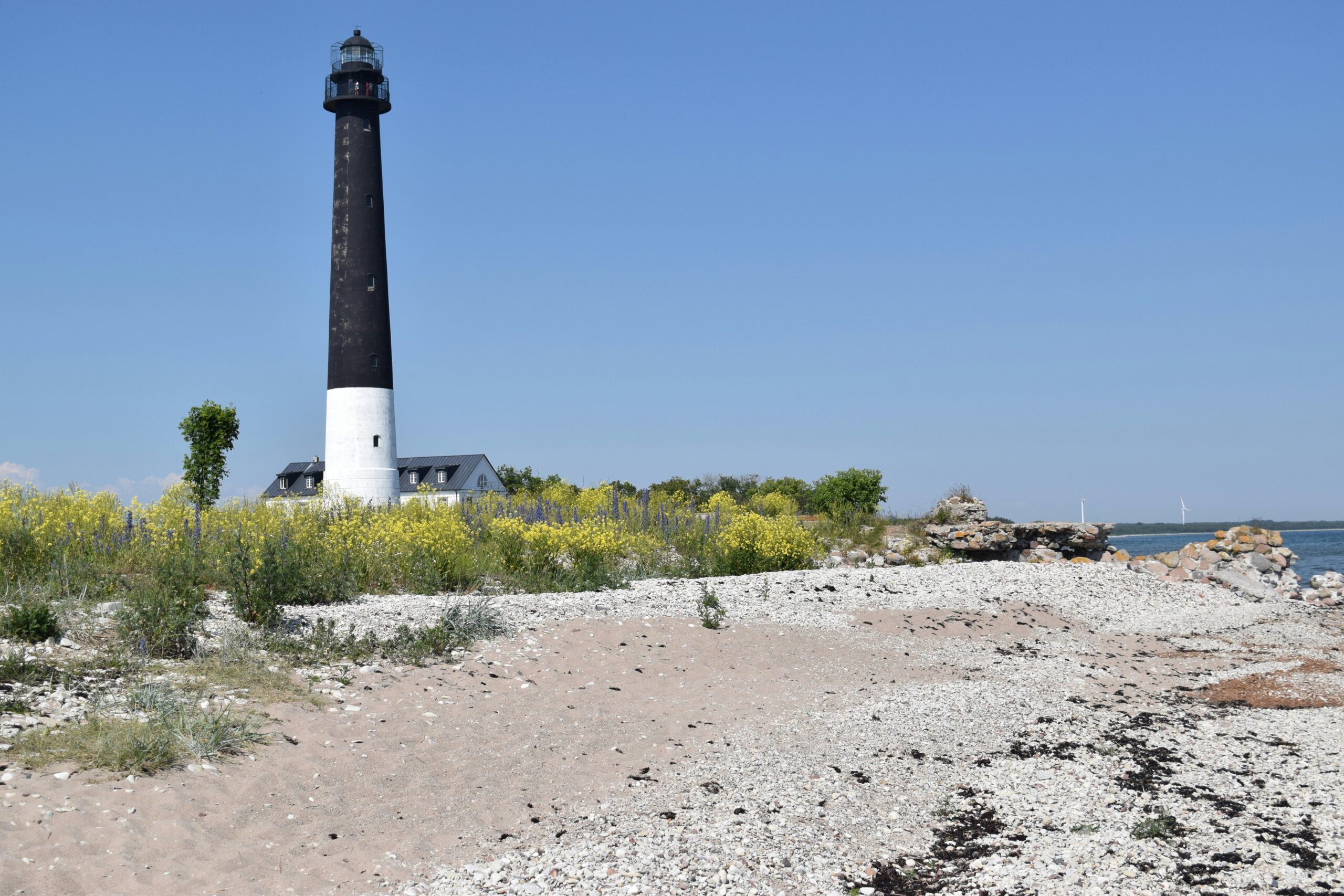
Saaremaa Opera Days (July 18–25)
Opera in a medieval castle courtyard on an island. Kuressaare Castle on Saaremaa island hosts full opera productions in 2026 including Verdi’s La Traviata, Puccini’s Gianni Schicchi, Mascagni’s Cavalleria rusticana, Donizetti’s L’elisir d’amore, and Wagner’s Das Rheingold, with guest performers from Italy’s Teatro Goldoni di Livorno. The Saaremaa Opera Days combine world-class singing, a 14th-century fortress, and the island’s relaxed summer atmosphere for an opera experience unlike any other.
Opera in Kuressaare’s castle courtyard, we’ve been planning for years. This summer it has to happen. Saaremaa deserves its own trip anyway.
🌐 Saaremaa Opera Days | 🎫 Buy tickets | 📍 Kuressaare, Saaremaa
I Land Sound, Saaremaa (July 16–19)
A boutique electronic music festival on Estonia’s largest island. I Land Sound combines music with the island’s natural beauty, think stages set up among pine forests and next to the sea, with a crowd that’s there as much for the nature as for the beats.
Sea, music, and that Saaremaa magic you just don’t feel on the mainland. Nobody leaves here without a story.
🌐 I Land Sound | 🎫 Ticketer | 📍 Saaremaa
East Estonia: Ida-Virumaa and Narva
East Estonia is the least-visited part of the country for international tourists, which makes its summer events feel like genuine discoveries rather than tourist experiences.
Station Narva (September 3–6)
Technically just past summer, but Station Narva has become one of Estonia’s most talked-about festivals. It takes place in Narva, a city literally on the Russian border with a fascinating post-industrial landscape, and mixes electronic music with art installations, city walks, and panels exploring border identity. The 2026 edition features British trip-hop legend Tricky and Icelandic electronic icons GusGus as headliners, with the heart of the festival at Narva Museum inside the historic Hermann Castle. Music extends both nights to the riverside Art Club Ro-Ro.
Narva is Estonia’s most surprising city and I don’t say that lightly. Station Narva brings art and music to where East genuinely meets West. We’ve been, would go back in a heartbeat.
🌐 Station Narva | 🎫 Buy tickets | 📍 Narva
Kreenholm Excursions (Every Sunday, mid-April – October)
You don’t need to wait for Station Narva to explore industrial heritage in Narva. Every Sunday at noon from mid-April through October, guided tours run through the Kreenholm Manufactory, once one of the largest cotton mills in the world, now a haunting maze of red-brick buildings right on the Narva River rapids. Book via Narva Museum.
Kreenholm factory ruins by the river, an industrial giant. The kind of place regular tourists never reach. Sunday tours are the best way to see it.
🌐 Narva Museum | 🎫 Book tour | 📍 Narva
Central Estonia: Viljandi
Viljandi Folk Music Festival (July 23–26)
Save the best for last, or at least the most beloved. Viljandi Folk is Estonia’s signature summer festival, period. For four days in late July, this small hillside town of 17,000 becomes home to around 30,000 festival-goers who fill nine stages, the castle ruins, parks, and streets with folk music from around the world.
What makes Viljandi Folk special isn’t just the music, it’s the atmosphere. The entire town participates. People open their gardens as unofficial venues, locals cook for festival-goers, and the hillside setting overlooking Lake Viljandi creates a natural amphitheatre. The 33rd edition in 2026 carries the theme "To each their own instrument" and will present around 60 artists from Estonia and abroad.
If you can only attend one Estonian summer event, make it this one.
If you can only pick one Estonian festival, pick this one. Viljandi Folk is legendary. We’ve been and we go back every year. The soul of Estonia in one festival, and I’m not exaggerating.
🌐 Viljandi Folk | 🎫 Piletikeskus | 📍 Viljandi
Practical tips for festival-hopping in Estonia
Estonia is small, roughly the size of the Netherlands, which makes combining multiple Estonia summer events in one trip entirely realistic. Tallinn to Tartu is under 2 hours by car, Tallinn to Pärnu about 90 minutes, and even Saaremaa island is reachable in 4 hours including the ferry.
Renting a car is the best way to reach smaller festival locations and combine events across regions. Compare rental prices and book early, especially for the peak July weeks when demand is highest.
Book accommodation early for Viljandi Folk (July 23–26) and Beach Grind (July 9–11), these sell out fast. For smaller festivals, you can usually find places to stay within a few weeks of the event.
Estonian summers are warm but unpredictable, expect 20–25°C on good days but always pack a rain jacket. The upside? It almost never gets truly hot, making outdoor festivals comfortable from morning to midnight.
Most festivals accept card payments, and English is widely spoken, especially among younger Estonians. However, learning a few words of Estonian (like "aitäh" for thank you and "tere" for hello) will earn you genuine smiles everywhere you go.
Frequently asked questions
When is the best time to visit Estonia for festivals?
Mid-to-late July is the peak, I Land Sound and Saaremaa Opera start July 16–18, then Viljandi Folk and Haapsalu Early Music follow July 23–26, all within a ten-day window. But June through August all have excellent events.
Are Estonian summer festivals family-friendly?
Most are. Tallinn Old Town Days, Medieval Days, Tallinn Maritime Days, and Viljandi Folk all have dedicated children’s programs. Beach Grind and I Land Sound skew younger.
Do I need tickets in advance?
Free events: Old Town Days, Baltica, Medieval Days, Maritime Days, Tartuff (most screenings). Paid events that sell out: Viljandi Folk, I Land Sound, Saaremaa Opera, Station Narva, Beach Grind, book early.
How do I get around between festivals?
Renting a car gives you the most flexibility. Buses connect all major towns (Lux Express, ATKO). The Tallinn–Tartu route also has frequent trains. For Saaremaa, you’ll need the Virtsu–Kuivastu ferry (runs every 30 minutes in summer).
Planning a summer trip to Estonia? Check out our other guides to Tallinn’s free museums and Estonia’s best road trips.
Visiting Estonia? Get a Saily eSIM for mobile data, compare flights on Kiwi.com, and get travel insurance with EKTA. For tickets and guided tours, check Klook, Tiqets, and WeGoTrip.

Disclosure: this article may contain affiliate links. If you book or buy through them, we may earn a small commission at no extra cost to you. We only recommend what we believe in.